
Whispers in the Wind: The Story of Himalayan Prayer Flags
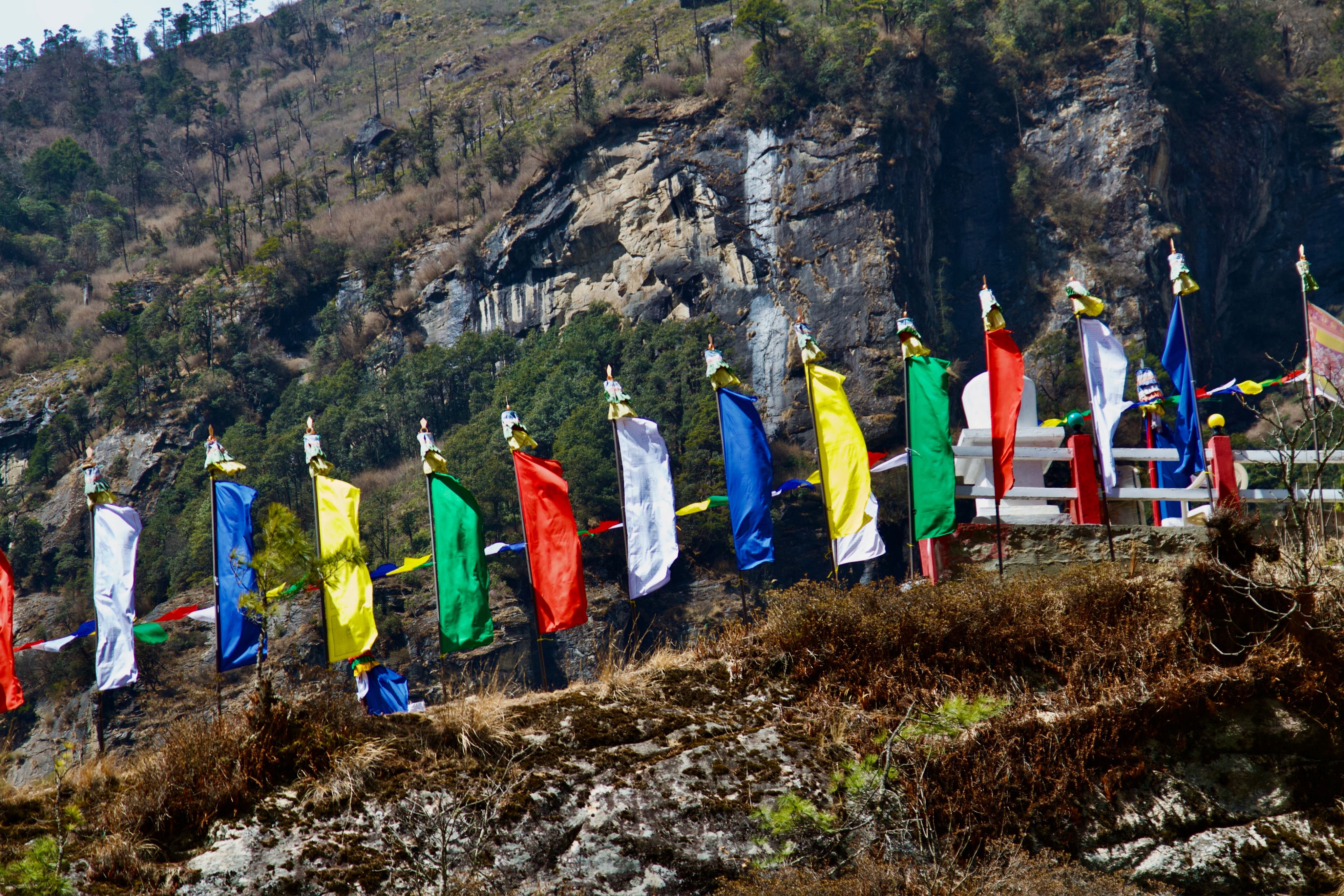
Long before a trekker reaches a mountain summit, the Himalayas begin to tell their story through colorful prayer flags dancing in the wind. Suspended between mountain ridges, monasteries, and high passes, these vibrant flags are more than a beautiful sight—they are a symbol of faith, hope, and harmony that has guided Himalayan communities for centuries.
Throughout Nepal’s mountains, from Everest Base Camp to the remote valleys of Manaslu and Annapurna, prayer flags create a unique connection between nature and spirituality. As the wind passes through them, it is believed to carry prayers, blessings, and positive energy across the mountains and to all living beings.
Traditional prayer flags are made up of five sacred colors, each representing one of the natural elements that sustain life:
- Blue – Sky and Space
- White – Air and Wind
- Red – Fire
- Green – Water
- Yellow – Earth
Together, these five colors symbolize balance, harmony, and the interconnectedness of the natural world. Printed on the flags are sacred mantras, prayers, and symbols intended to promote peace, compassion, strength, and wisdom.
For local people, climbers, and trekkers, prayer flags are much more than decoration. They are often hung before a journey, expedition, or special occasion as a way of seeking blessings, protection, and good fortune. Their presence reminds travelers that the Himalayas are not only a place of adventure but also a place of deep cultural and spiritual significance.
One of the most unforgettable moments during a Himalayan trek is standing beneath thousands of prayer flags at a high mountain pass, watching them flutter against a backdrop of towering snow-capped peaks. In that moment, the mountains feel alive with stories, traditions, and prayers carried by the wind.
At Adventure Pathway, we believe that exploring the Himalayas is about more than reaching a destination. It is about connecting with the culture, traditions, and spirit that make these mountains truly special. As you follow the trails of Nepal, the colorful prayer flags will accompany your journey, reminding you that every step in the Himalayas is part of something greater than yourself.
Join Adventure Pathway and experience the magic of the Himalayas, where adventure meets culture and every prayer flag carries a message of peace across the roof of the world.
About the Author
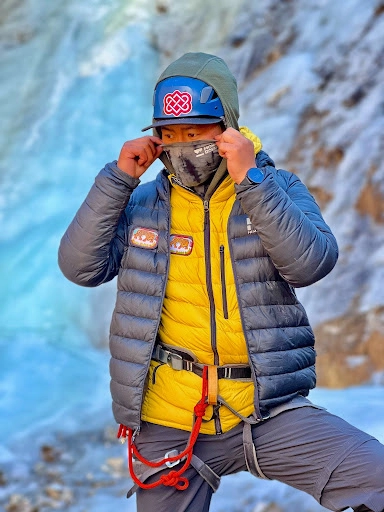
Ngima Gyalzen Sherpa (sherpagrapher)
Rooted in the majestic Himalayas, Ngima was born and raised in the tranquil village of Thame, Solukhumbu a place where mountains are more than landscapes; they are teachers, guardians, and home. Ngima spent seven transformative years as a monk at Thame Monastery, immersing himself in Buddhist philosophy, meditation, and the spiritual rhythms of the high mountains. This foundation continues to shape how he see the world and how ngima tell stories through my camera.
Ngima journey behind the lens truly began in 2019, at the age of 21, during Ngima first summit of Mount Everest. Standing at the highest point on Earth, ngima understood the power of a single image, a moment that can hold the silence, vastness, and spirit of the Himalayas. Since then, photography has been my way of sharing the mountains with the world. Today, as a freelance adventure photographer and experienced trekking/climbing guide, ngima aim dedicated to capturing the soul of the Himalayas, its dramatic landscapes, rich Sherpa culture, ancient monasteries, and the resilience of mountain communities his work blends spiritual depth with raw adventure, offering viewers a chance to feel the mountains rather than just see them.
At Adventure Pathways, he bring his vision, experience, and storytelling to inspire travelers to explore with curiosity and respect. Whether documenting remote expeditions, guiding trekkers across high passes, or photographing cultural life in the Khumbu, Ngimas goal is to connect people with the mountains in a meaningful and authentic way.
In addition to expedition leadership, Ngima has also been actively involved in mountain education and skills development in Nepal. Since 2022, he has served as a Facilitator at the Khumbu Climbing Center (KCC), supporting training programs for aspiring Nepali climbers and mountain workers. Through this role, he contributes to strengthening technical climbing skills, safety awareness, and professional development within the Himalayan mountaineering community.
Continue Reading
Stunning packages from our treks and expeditions
 Featured
CULTURE • 3 Min Read
Khumbu Climbing Center and the Next Generation of Himalayan Climbers
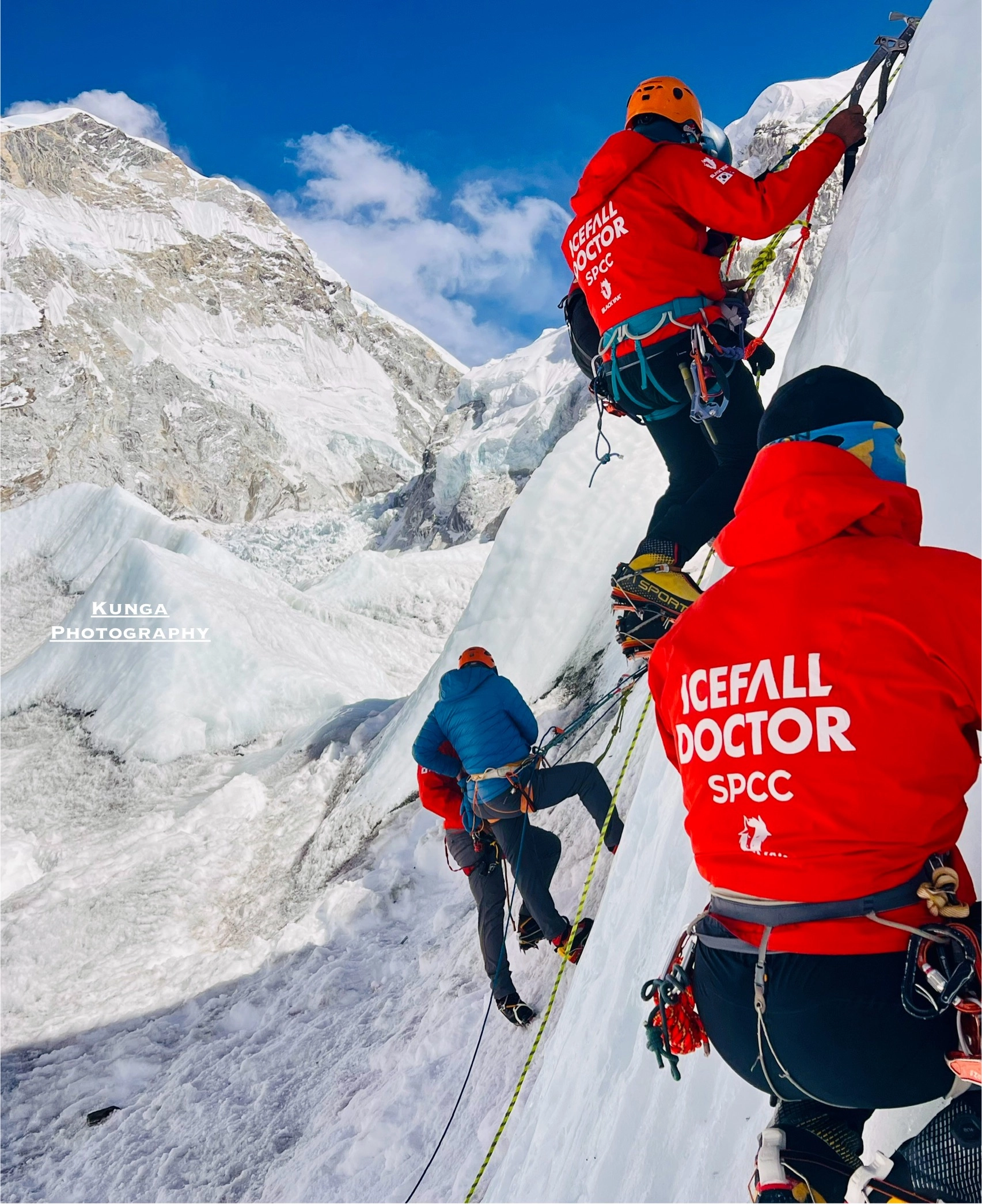
Featuring Kunga Gyaju Sherpa High in Nepal’s Everest region, surrounded by the towering peaks of Ama Dablam, Everest, and Khumbila, stands one of the most important mountaineering schools in the Himalayas, the Khumbu Climbing Center (KCC). Founded in 2003 in the Sherpa village of Phortse, the Khumbu Climbing Center was created with a powerful mission: to improve the safety, technical skills, and professional opportunities of Nepali climbers and high-altitude workers. Over the years, KCC has become a symbol of education, responsibility, and mountain leadership in Nepal. Today, many experienced Sherpa climbers and mountain professionals are connected to KCC, including instructor and facilitator Kunga Gyaju Sherpa, who represents the new generation of highly trained Himalayan mountaineers. The Vision Behind Khumbu Climbing Center The Khumbu Climbing Center was established after experienced international climbers recognized the need for formal technical training in Nepal’s mountaineering industry. Although Sherpas had decades of experience on the world’s highest mountains, many lacked access to modern climbing education, rescue systems, and technical safety instruction. The center was founded with support from renowned climbers including Conrad Anker, Pete Athans, and the Alex Lowe Charitable Foundation. Since then, KCC has trained hundreds of Nepali climbers in: Ice climbing Rope systems Glacier travel Avalanche awareness Wilderness first aid High-altitude rescue Expedition leadership Environmental responsibility Located in Phortse village in the Khumbu region, the school sits beneath the sacred peak Khumbila and near the famous trekking route to Everest Base Camp. Kunga Gyaju Sherpa Among the dedicated instructors and climbing professionals connected with KCC is Kunga Gyaju Sherpa, a Nepalese mountaineer and climbing facilitator known for his involvement in technical mountain training and Himalayan expeditions. As part of the growing movement of professionally trained Nepali climbers, Kunga Gyaju Sherpa represents the evolution of Himalayan mountaineering, combining traditional Sherpa mountain knowledge with modern alpine skills and international safety standards. Through the Khumbu Climbing Center, climbers like Kunga Gyaju Sherpa help train aspiring guides and high-altitude workers, sharing practical mountain experience directly from the Himalayas themselves. Why KCC Matters The Khumbu Climbing Center has had a major impact on mountain safety in Nepal. Before technical schools like KCC existed, many Sherpa workers learned only through experience on dangerous expeditions. Today, KCC graduates work on: Everest expeditions International alpine climbs Rescue operations Trekking and mountaineering companies Icefall route management Professional guide training programs The school has also helped create stronger recognition for Nepali climbers as skilled mountaineering professionals, not only as expedition workers, but as instructors, leaders, and athletes. A Symbol of Sherpa Strength and Education The story of the Khumbu Climbing Center is more than mountaineering. It is a story of empowerment, education, and community development in the Himalayas. In villages where climbing has long been a way of life, KCC provides young climbers with opportunities to develop safer techniques, international-level training, and leadership skills for the future. With instructors and facilitators like Kunga Gyaju Sherpa contributing to this mission, the Khumbu Climbing Center continues to inspire a new generation of Himalayan climbers.
 Featured
CULTURE • 3 Min Read
The Sherpa People – Guardians of the Himalayas
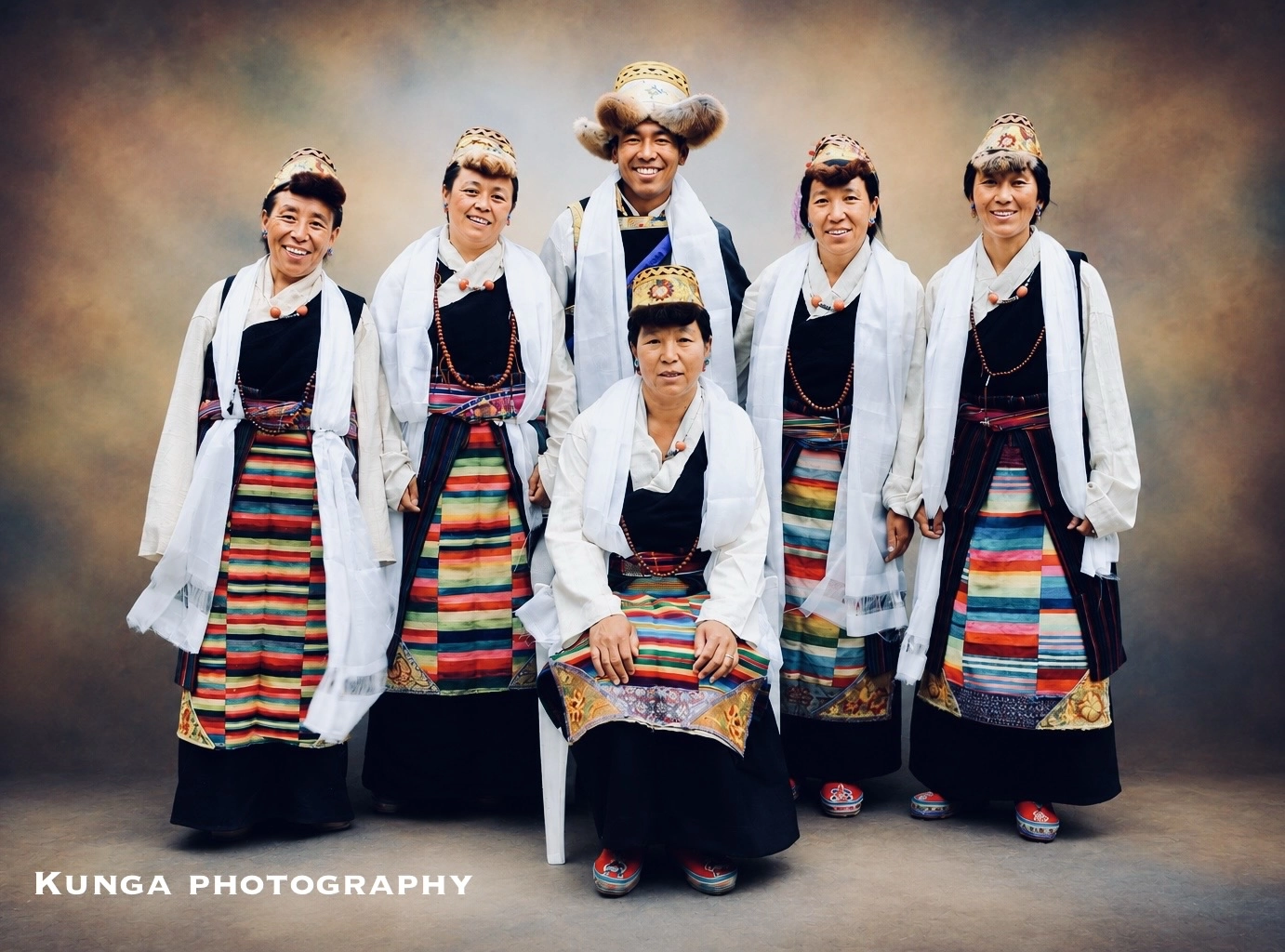
Introduction The Sherpa people are known throughout the world for their deep connection to the Himalayas, mountaineering skills, and warm hospitality. Living mainly in the high mountain regions of Nepal, Sherpas have played an essential role in Himalayan exploration and climbing history for generations. More than mountain guides, Sherpas represent strength, resilience, culture, and respect for nature. Origin of the Sherpa People The word “Sherpa” comes from the Tibetan language: “Shar” means East “Pa” means People Historically, Sherpa ancestors migrated from eastern Tibet to the Himalayan regions of Nepal several centuries ago. Today, many Sherpa communities live in: Solukhumbu (Everest region) Khumbu Valley Helambu Rolwaling Other mountain areas of Nepal Life in the Himalayas Sherpa life has always been closely connected to the mountains. Traditionally, Sherpas were involved in: Yak herding Farming Trading across mountain passes Buddhist religious practices Life at high altitude requires physical endurance, strong community bonds, and adaptation to harsh mountain environments. Sherpas and Mountaineering Sherpas became internationally respected during the growth of Himalayan expeditions in the 20th century. In 1953, Tenzing Norgay Sherpa and Sir Edmund Hillary successfully reached the summit of Mount Everest for the first confirmed ascent in history. Since then, Sherpas have become the backbone of Himalayan mountaineering through: Route fixing High-altitude guiding Rescue operations Expedition logistics Icefall support Their experience and mountain knowledge are critical for many successful expeditions. Sherpa Culture and Buddhism Sherpa culture is deeply influenced by Tibetan Buddhism. Throughout the Everest region, visitors can see: Monasteries Prayer flags Mani stones Chortens Buddhist festivals Sherpas believe in respecting mountains as sacred places. Before many expeditions, climbers participate in a traditional Puja ceremony to pray for safe climbing. Hospitality and Community Sherpa communities are well known for their hospitality and kindness toward travelers. Trekking lodges and tea houses in the Everest region often provide warm meals, local stories, and a welcoming atmosphere for visitors from around the world. Strong family and community values remain central to Sherpa society. Modern Sherpa Generation Today, many Sherpas continue to work in: Trekking Mountaineering Tourism International guiding Business and education At the same time, younger generations are balancing modern opportunities while preserving traditional culture and Himalayan identity. Respecting Sherpa Identity The word “Sherpa” is sometimes incorrectly used worldwide to mean porter or mountain helper. In reality, Sherpa is an ethnic group with its own language, traditions, religion, and history. Understanding Sherpa identity means respecting both their cultural heritage and contributions to mountaineering. The Sherpa people are an important part of Himalayan history and spirit. Their courage, mountain wisdom, and cultural traditions continue to inspire climbers and travelers across the world. For many visitors, meeting Sherpa communities becomes one of the most meaningful experiences of any Himalayan journey. — Kunga Sherpa
CULTURE • 2 Min Read
Monsoon in the mountains: A Journey Through Mist, Rain, Silence, and Himalayan Reflection
The Weight of Monsoon in the Mountains The monsoon season brings a unique intensity to the mountains. Heavy rainfall, dense clouds, and fog-covered trails create an environment that feels both powerful and serene. Waterfalls become stronger, forests turn vibrant green, and the air feels fresh and alive. At the same time, trekking during monsoon can be challenging. Slippery paths, unpredictable weather, muddy trails, and reduced visibility demand patience and caution. Yet, beyond these challenges lies the untouched beauty of the Himalayas — quiet trails, dramatic landscapes, and a peaceful connection with nature that few travelers experience. Lessons from the Trail The mountains teach lessons that go far beyond trekking. Every step on the trail builds patience, resilience, and mental strength. The journey reminds us that progress is often slow but meaningful. The constantly changing landscapes encourage adaptability, while long days of walking inspire simplicity and mindfulness. Trekking also strengthens teamwork, appreciation for nature, and self-awareness. In the mountains, even difficult moments become valuable experiences that shape personal growth. The Space Between “The Space Between” represents the quiet moments found during a journey — the silence between footsteps, the pause between destinations, and the calm between thoughts. In the mountains, these moments create space for reflection and clarity. Away from noise and distractions, travelers often feel more present and connected to themselves and their surroundings. It is within these peaceful pauses that the true beauty of the journey is often discovered. Arriving Finally Arriving finally is more than reaching a destination. It is the reward for patience, endurance, and perseverance through long trails and difficult conditions. After hours or days of trekking, reaching the final point brings relief, joy, and reflection. Exhaustion slowly transforms into accomplishment, and every challenge along the way gains meaning. The destination becomes memorable not only because of where it is, but because of the journey taken to reach it. What the Mountain Taught Me The mountains teach patience, humility, and resilience. They show that steady effort matters more than speed and that challenges help build strength and perspective. The Himalayas remind us how small we are within the vastness of nature, encouraging respect and gratitude. Most importantly, the mountains teach mindfulness — to be fully present in every step, every breath, and every moment of the journey.