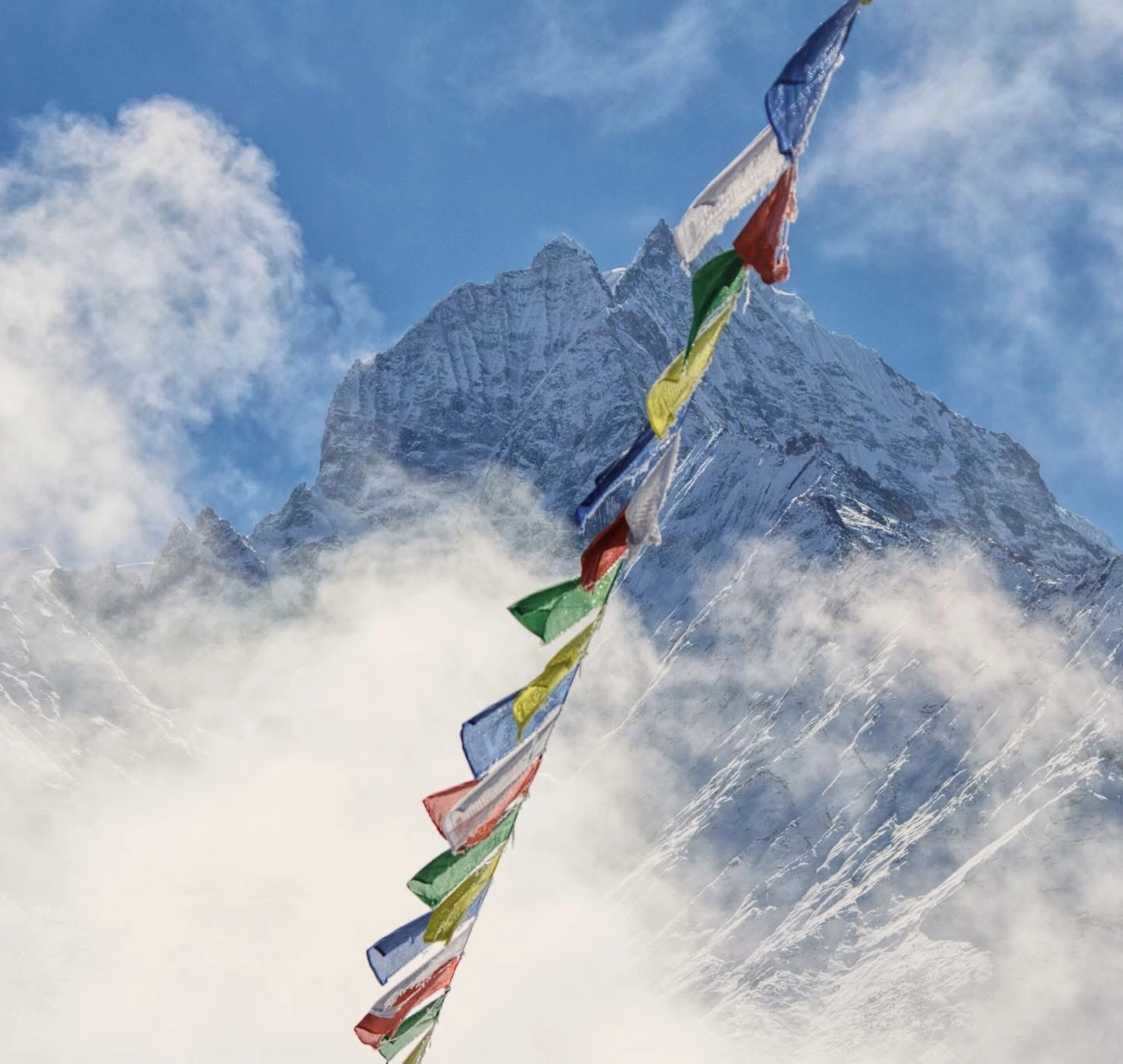
Adventure Pathway
About Us Contact us Journey Fixed Departure Cultural Treks Blogs Inquiry Start Your Adventure
The Himalayas are not conquered.They are experienced.

Welcome to

Adventure Pathway

The Himalayas are
not conquered.
They are experienced.
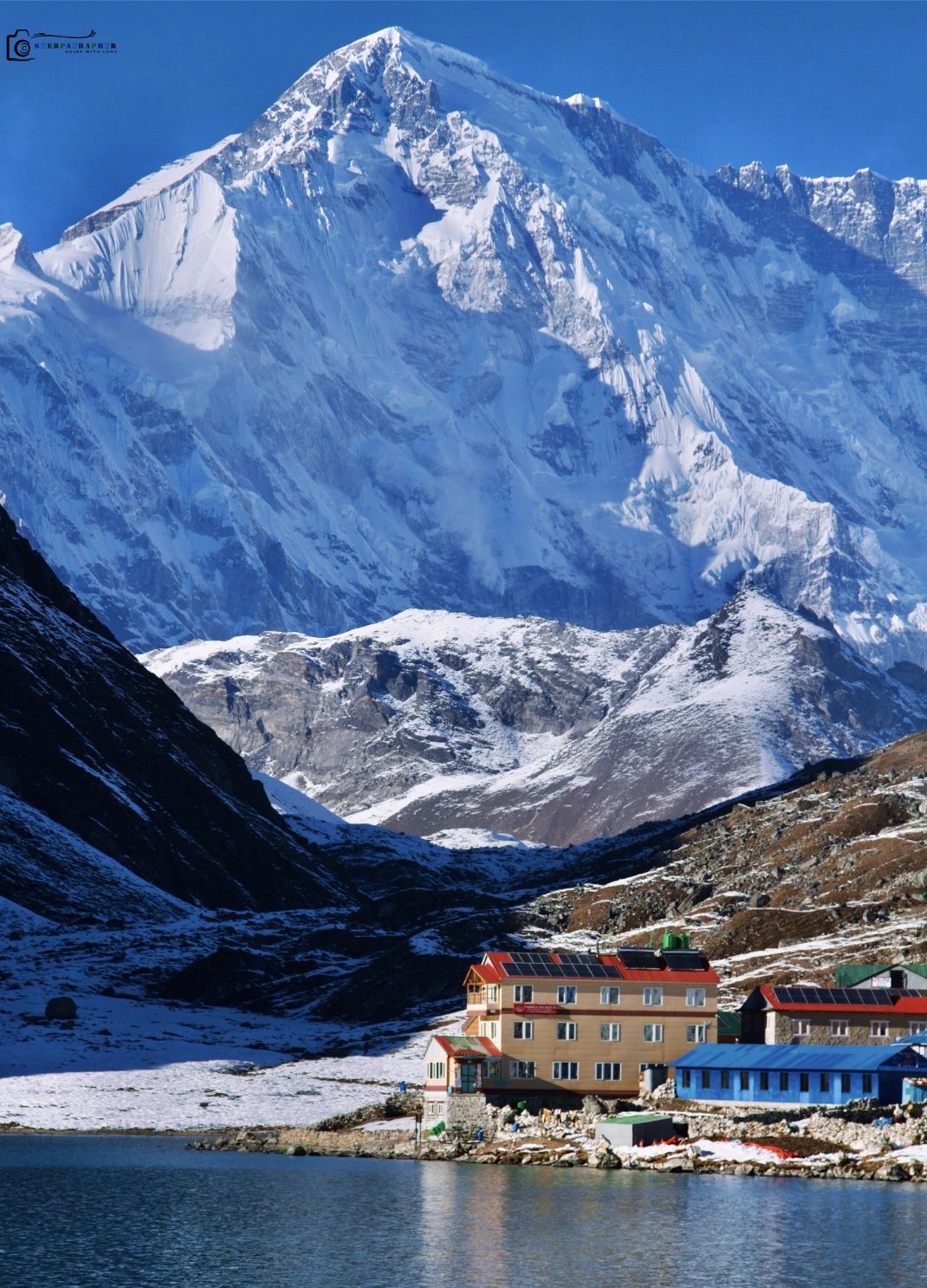
A Life Between Earth and Sky
10+ Summits Guided
20+ Certified Guides
100+ Expeditions Organized
50+ Happy Clients

“We do not conquer mountains. We are permitted to walk upon them.”

— Adventure Pathway   Philosophy

About

A Life Between Earth and Sky

Before I became a guide, I spent years in silence. As a monk in the monasteries of Tengboche, I learned to listen to the mountains, to the wind, to what cannot be spoken.

The Himalayas taught me humility. Each summit is a reminder that we do not conquer mountains. We are permitted to walk upon them, for a brief moment, before returning to the valley.

Now, I guide others not just to peaks, but through journeys that reshape how we see ourselves. Some paths test the body. Others reshape the mind.

Adventure Pathway Team

Monk. Photographer. Mountain Guide.

Full Story

Journeys

Paths That Transform Here

Each journey is designed not just as an ascent, but as an experience of presence, humility, and connection with something larger than ourselves.

Everest Region

The Everest Region is a Himalayan trekking area in Nepal’s Sagarmatha National Park, famous for Mount Everest and mountain scenery.

Learn More →

Annapurna Region

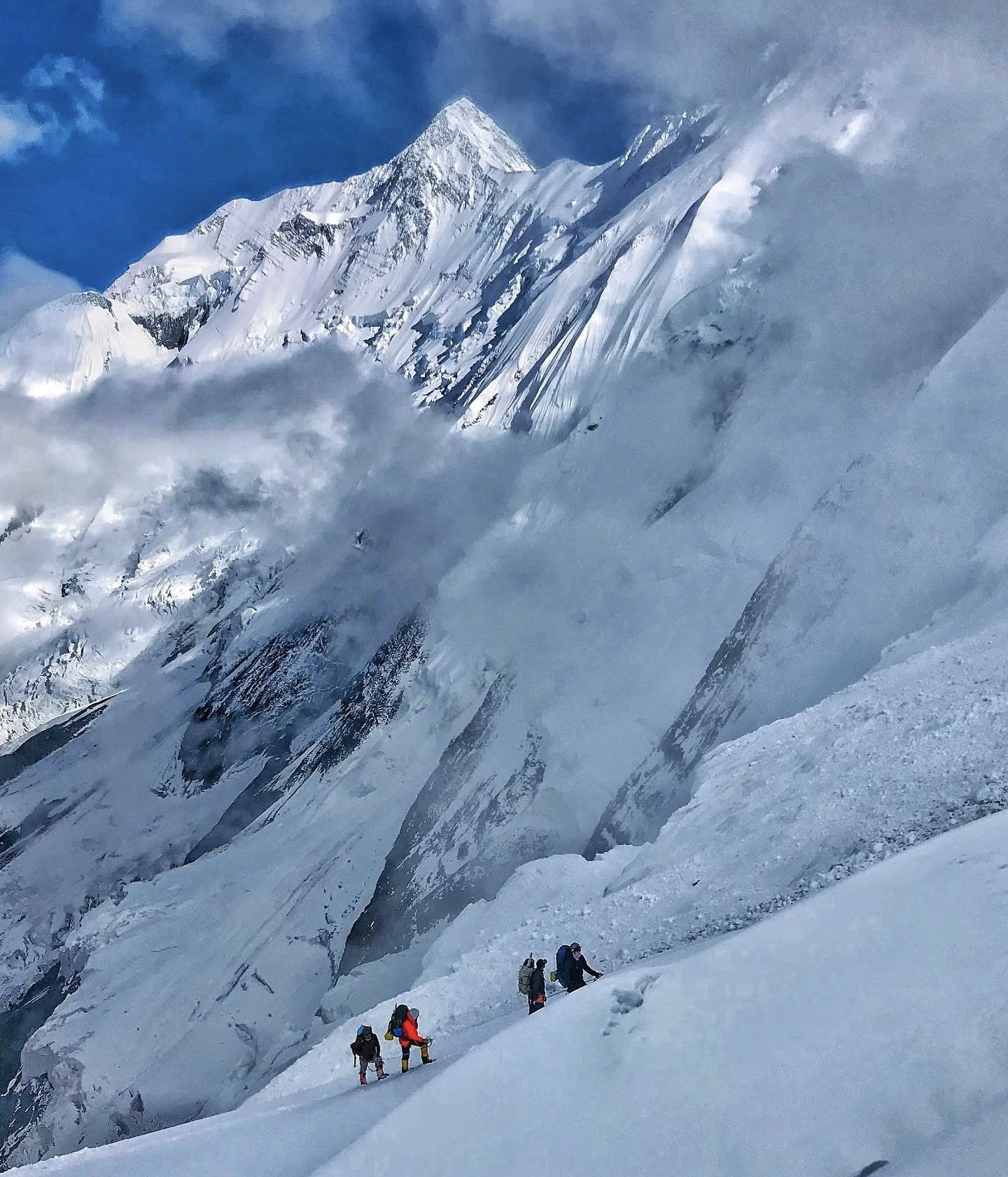
The Annapurna Region is one of the most diverse and breathtaking trekking areas in the Himalayas, located in north-central Nepal.

Learn More →

Mountaineering Taining

Professional training in basic and advanced mountaineering skills

Learn More →

"Some Journeys test the body. Others reshape the mind."

Wave

Fixed Departures

Join Scheduled Expeditions

Pre-planned journeys with confirmed dates. Small groups, intentional pace, space for both conversation and silence.

Featured Three Oldest Monasteries Trek in Khumbu | Sacred Heritage Journey to Everest

Three Oldest Monasteries Trek in Khumbu | Sacred Heritage Journey to Everest

Khumbu Oldest Monasteries Cultural Trek

Sacred Three Brother Monasteries Journey

The Khumbu Oldest Monasteries Cultural Trek is a unique spiritual and cultural journey through the heart of the Everest region. This trek follows the sacred heritage of the three great Buddhist masters — Lama Sangwa Dorjee, Lama Rolpa Dorjee, and Lama Khenpa Dorjee — who are traditionally believed to have established important monasteries across Khumbu during the 17th century.


This journey combines ancient Buddhist culture, Sherpa traditions, breathtaking Himalayan scenery, and visits to the sacred monasteries of:-

  • Rimijung Monastery
  • Thame Monastery
  • Pangboche Monastery


Pangboche Monastery

Monastery of Lama Sangwa Dorjee

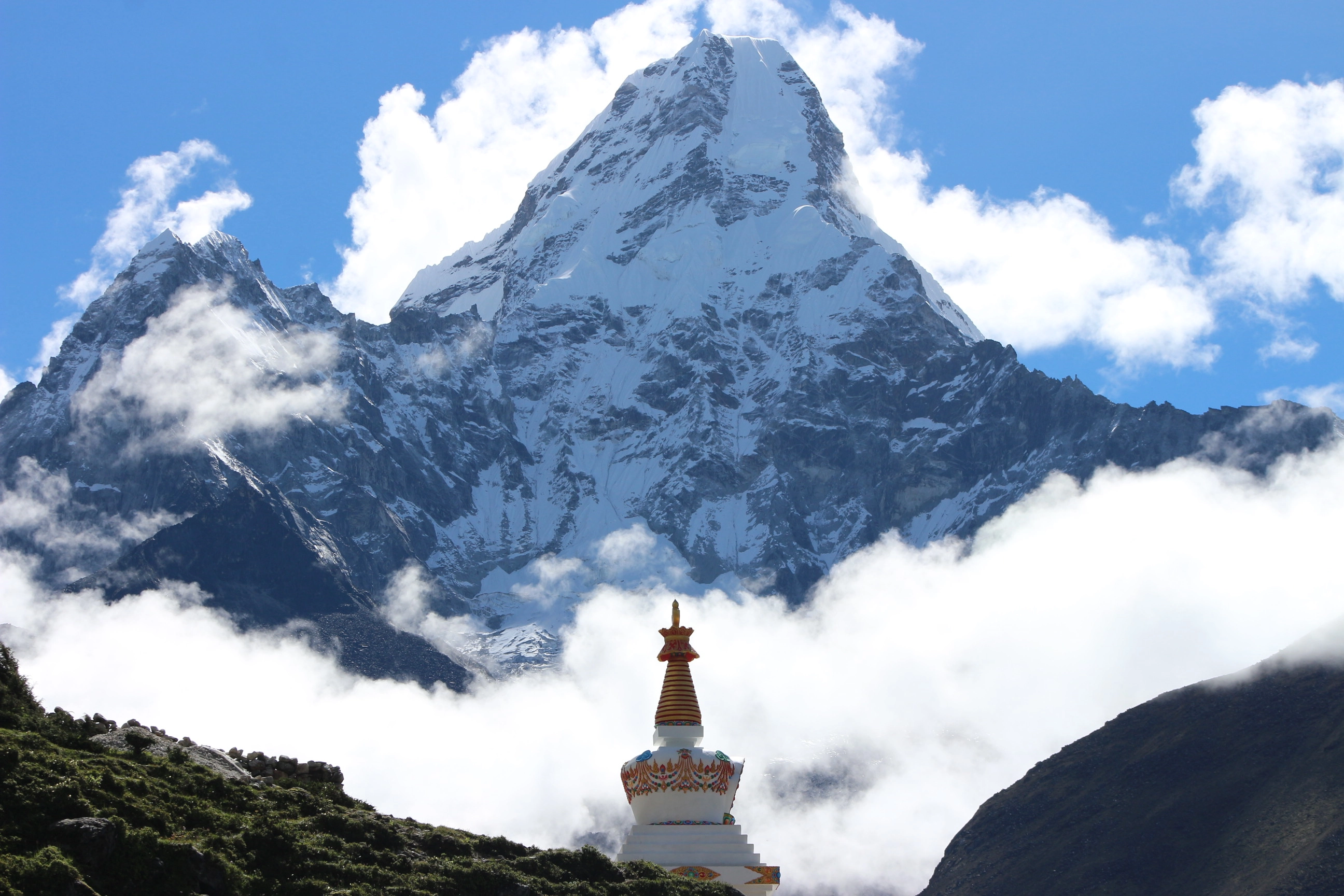
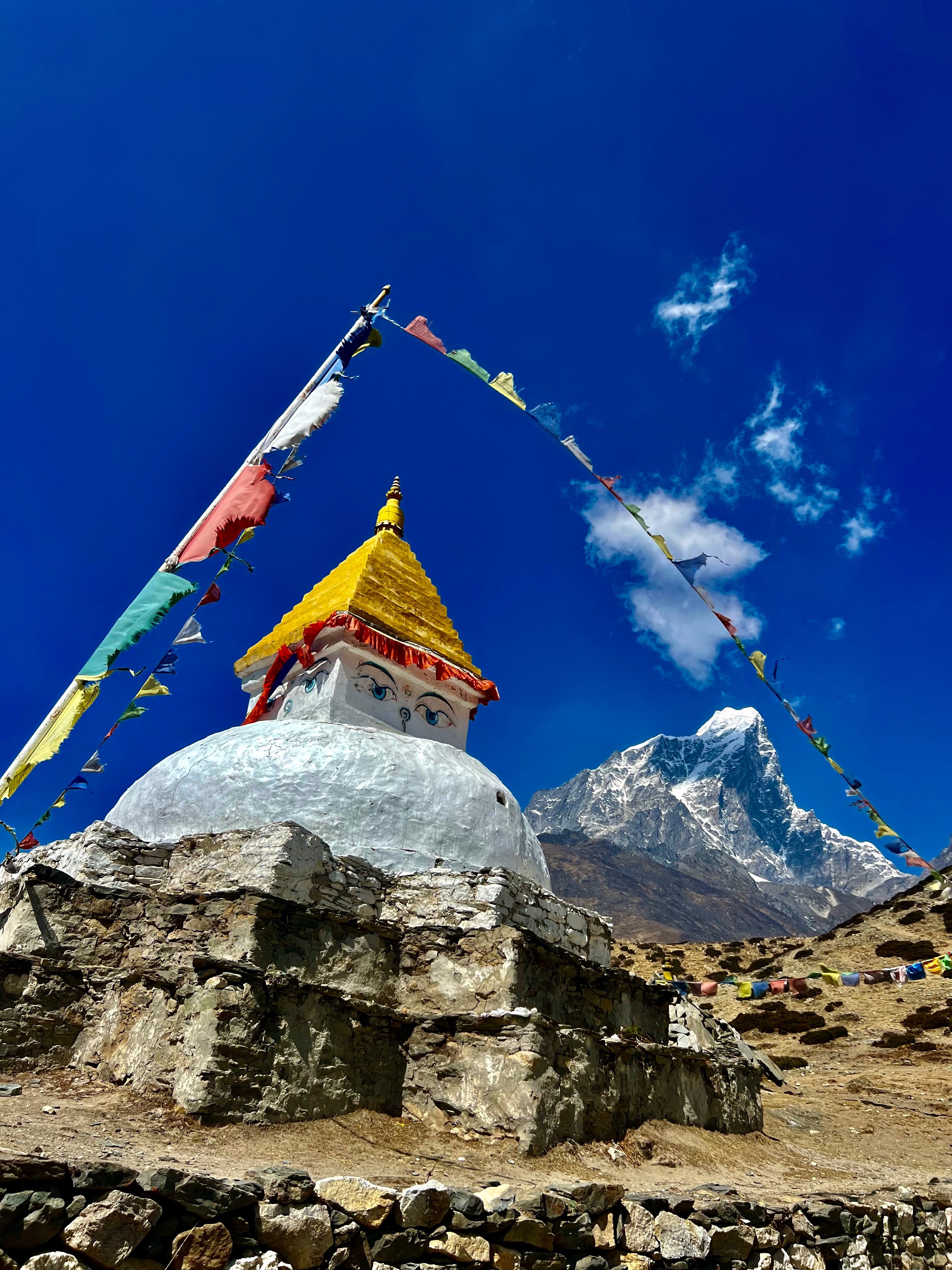
Pangboche Monastery is regarded as one of the oldest and most sacred monasteries in the Everest region. The monastery is located in Pangboche Village beneath the magnificent and sacred mountain Ama Dablam at an elevation of approximately 3,985 meters (13,074 ft). The monastery belongs to the Nyingma tradition of Tibetan Buddhism and remains one of the spiritual centers of Sherpa culture in Khumbu.


The monastery is traditionally believed to have been founded during the 17th century by the great master Lama Sangwa Dorjee, the elder brother among the three spiritual brothers of Khumbu.


Lama Sangwa Dorjee was known as a highly realized meditation master with extraordinary spiritual powers. According to local tradition, he demonstrated his spiritual realization by hanging his scarf upon the early morning rays of the rising sun. This miraculous act became a sacred symbol of his spiritual accomplishment and blessing.


Pangboche Monastery preserves:

  • Ancient Buddhist scriptures and manuscripts
  • Traditional prayer halls and sacred statues
  • Historic Buddhist paintings and artifacts
  • Important ceremonies and blessings for pilgrims and climbers

The peaceful setting beneath Ama Dablam and the monastery’s deep spiritual history make Pangboche one of the most sacred monasteries in the Himalayas.


Thame Monastery

Monastery of Lama Rolpa Dorjee

Thame Monastery is one of the oldest monasteries in the Khumbu region of Nepal. The monastery is located around 200 meters above Thame Village, which itself lies at an elevation of approximately 3,800 meters (12,500 ft). The monastery stands beautifully on the southern slopes of Sumdur Peak (5,377 meters / 17,641 ft), overlooking the historic Himalayan trade route between Nepal and Tibet.


The monastery is believed to have been founded during the 17th century by the great Buddhist master Lama Rolpa Dorjee, the middle brother among the three spiritual brothers. Lama Rolpa Dorjee was known as a highly accomplished Buddhist practitioner endowed with extraordinary spiritual powers. According to local history and oral tradition, he demonstrated his spiritual realization by twisting an iron rod with his bare hands. This sacred iron rod is still carefully preserved inside the main shrine hall of the monastery and is displayed during the annual Dumjee Festival.


Today, Thame Monastery remains an important spiritual center for:

  • Dumjee and Mani Rimdu festivals
  • Sacred mask dances and ceremonies
  • Meditation and Buddhist teachings
  • Sherpa spiritual and cultural preservation

The peaceful atmosphere and stunning Himalayan scenery surrounding the monastery make Thame one of the most important spiritual sites in the Everest region.


Rimijung Monastery

Monastery of Lama Khenpa Dorjee

Rimijung Monastery is one of the hidden spiritual treasures of the Khumbu region. Surrounded by peaceful Himalayan landscapes and traditional Sherpa settlements, the monastery reflects the ancient Buddhist traditions preserved for generations in upper Khumbu. The monastery is traditionally believed to have been founded by Lama Khenpa Dorjee, the youngest among the three spiritual brothers connected with the sacred monasteries of Khumbu.


Lama Khenpa Dorjee was respected as a devoted Buddhist practitioner and teacher. According to local tradition, he demonstrated his spiritual realization by balancing a Buddha statue upon seven barley grains without it falling. This miraculous act became a symbol of spiritual mastery, concentration, and accomplishment within Himalayan Buddhist tradition.


Rimijung Monastery continues to preserve:

  • Ancient Buddhist prayer traditions
  • Meditation and spiritual practices
  • Sherpa Buddhist culture and rituals
  • Sacred connections with Pangboche and Thame monasteries

The monastery offers a peaceful spiritual atmosphere away from the busy trekking routes and remains an important cultural and religious site within the Khumbu region.


Duration 17 days Max Altitude 3,860m Difficulty Moderate

Available Dates

July 30, 2026

View Details
Featured Gokyo Lakes Trek

Gokyo Lakes Trek

Trek to the stunning turquoise Gokyo Lakes

Gokyo Lake Trek Overview

The Gokyo Lake Trek is one of the most breathtaking and peaceful Himalayan journeys in the Everest region, offering an unforgettable adventure through turquoise glacial lakes, dramatic mountain valleys, ancient Sherpa villages, and spectacular panoramic viewpoints. Unlike the more crowded Everest Base Camp route, the Gokyo Trek provides a quieter and more serene trekking experience while still showcasing some of the finest mountain scenery in the Himalayas.


Located within Sagarmatha National Park, the trek follows the legendary trails of the Khumbu region through suspension bridges, alpine forests, riverside paths, glacial moraines, and traditional Sherpa settlements. Along the journey, travelers experience the unique combination of natural beauty, Buddhist culture, and high Himalayan wilderness that defines the Everest region.


Your adventure begins with an exciting mountain flight to Lukla before trekking through beautiful Sherpa villages including Phakding, Namche Bazaar, Dole, Machhermo, and Gokyo. As the trail ascends into higher elevations, the landscapes gradually transform into dramatic alpine terrain surrounded by snow-capped Himalayan peaks and glacial valleys.


The greatest highlight of the journey is reaching the sacred Gokyo Lakes, a stunning chain of turquoise glacial lakes situated beneath towering Himalayan mountains. These high-altitude lakes are considered spiritually important by both Hindus and Buddhists and are among the highest freshwater lake systems in the world.


Another unforgettable experience is the hike to Gokyo Ri at 5,357 meters, one of the best panoramic viewpoints in Nepal. From the summit, trekkers witness extraordinary views of Mount Everest, Lhotse, Makalu, Cho Oyu, Ama Dablam, and countless surrounding peaks. The sunrise over the Himalayas from Gokyo Ri creates a magical and deeply memorable mountain experience.


At Adventure Pathway, the Gokyo Lake Trek is carefully designed with proper acclimatization, safety, cultural exploration, and meaningful Himalayan experiences. Our goal is to provide a peaceful yet adventurous journey through one of Nepal’s most beautiful Himalayan regions.


Key Information

  • Trek Name: Gokyo Lake Trek
  • Destination: Gokyo Lakes, Everest Region, Nepal
  • Maximum Altitude: 5,357 meters (Gokyo Ri)
  • Starting Point: Kathmandu
  • Main Gateway: Lukla
  • Major Highlight: Gokyo Lakes and Gokyo Ri viewpoint
  • Best For: Nature lovers, photographers, peaceful Himalayan adventures, and mountain enthusiasts
  • Mountain Views: Mount Everest, Lhotse, Makalu, Cho Oyu, Ama Dablam, and surrounding peaks
  • Trek Style: Teahouse/lodge trekking
  • Cultural Experience: Sherpa villages, Buddhist monasteries, prayer flags, Himalayan traditions, and mountain lifestyle
  • Natural Features: Glacial lakes, alpine forests, glaciers, rivers, mountain valleys, and panoramic Himalayan viewpoints
  • Difficulty Level: Moderate to Challenging
  • Best Seasons: Spring (March–May) and Autumn (September–November)

Duration 13 days Max Altitude 5,357 m Difficulty Moderate

Available Dates

July 24, 2026

View Details
Featured Mardi Himal Trek

Mardi Himal Trek

Mardi Himal Trek Overview

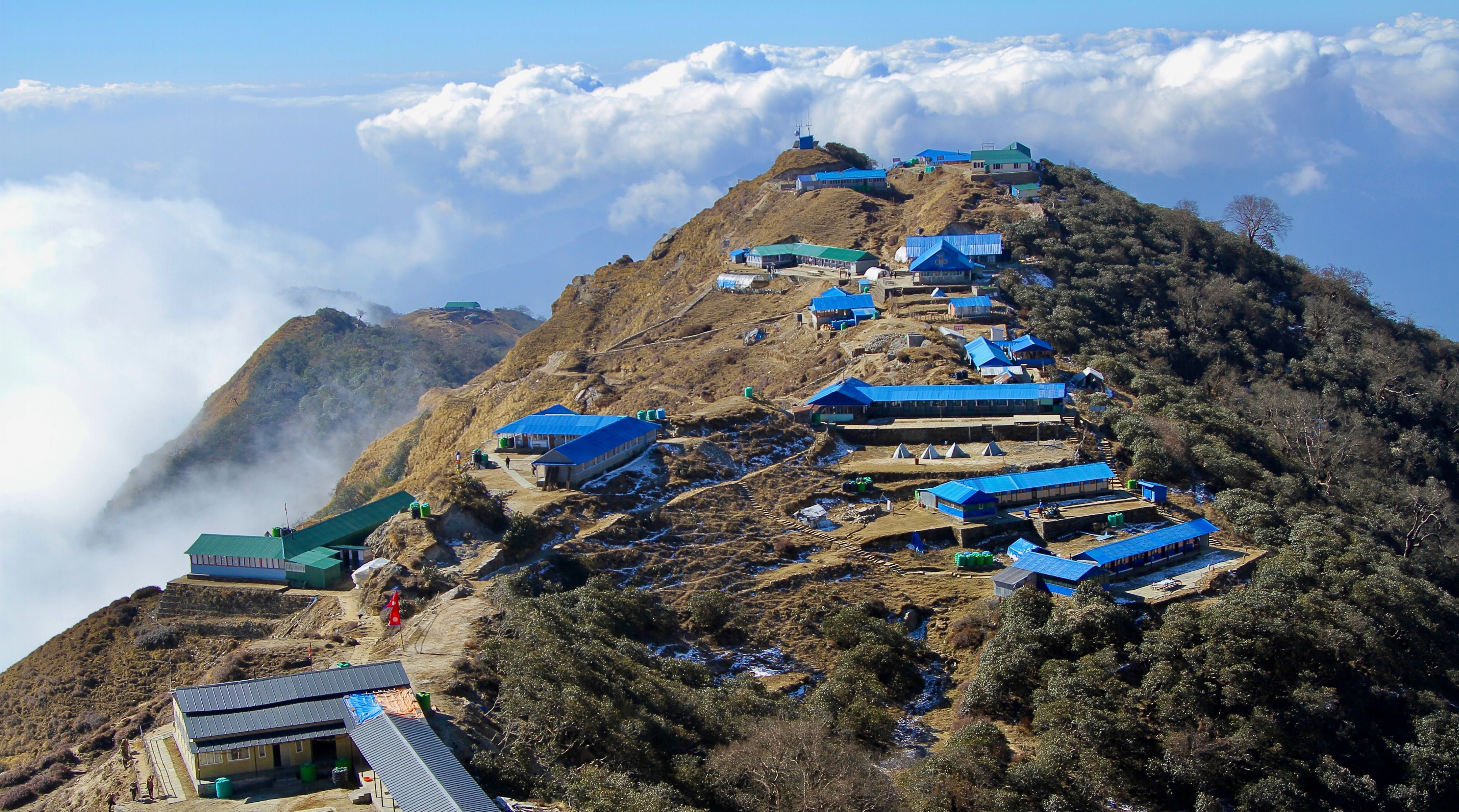
The Mardi Himal Trek is one of Nepal’s most scenic short Himalayan adventures, offering a peaceful trekking experience through the beautiful Annapurna region. This hidden gem combines breathtaking mountain panoramas, quiet forest trails, alpine ridges, and authentic Himalayan villages, making it an ideal trekking destination for both beginner and experienced trekkers.


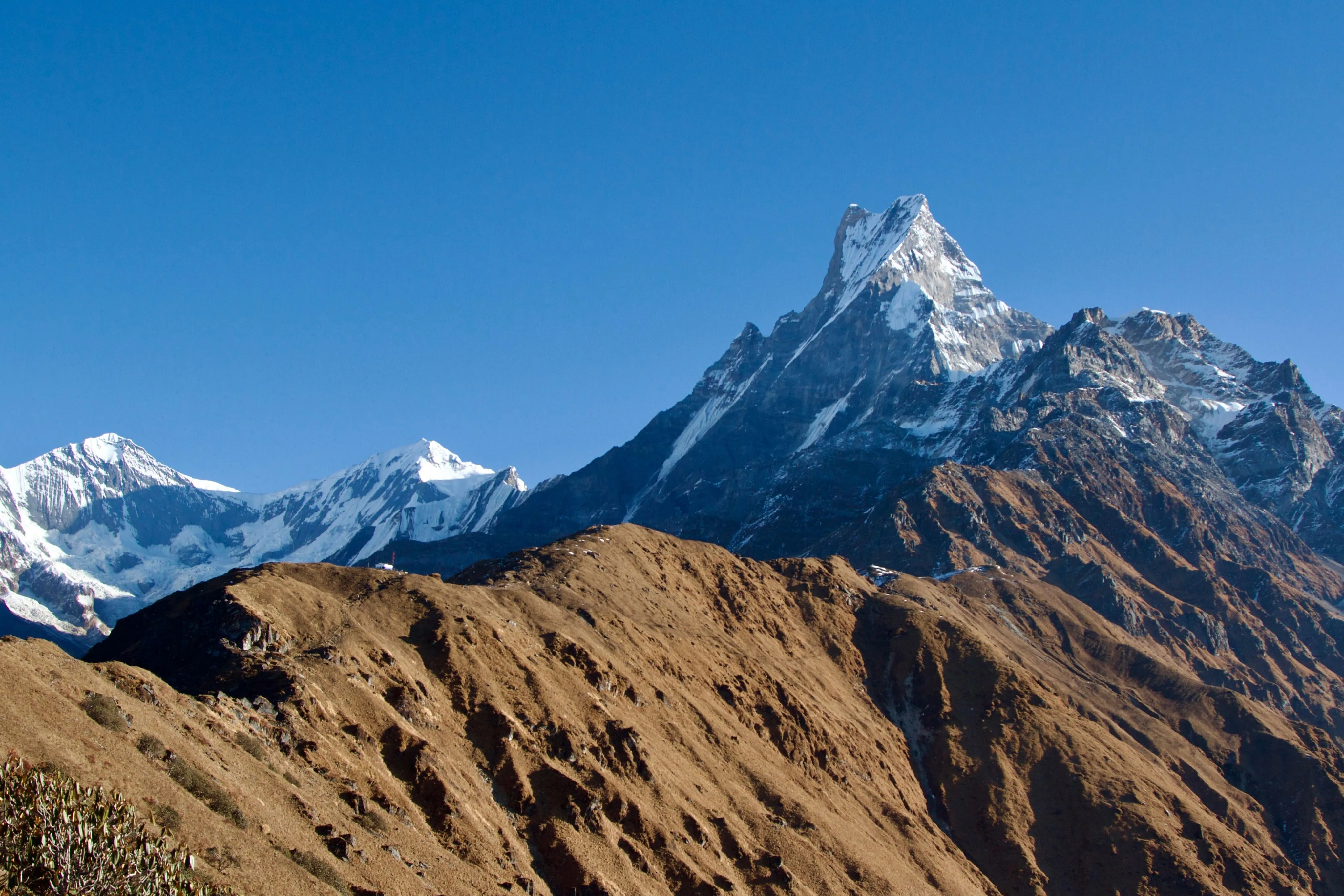
Located east of the famous Annapurna Base Camp trail, the Mardi Himal Trek passes through rhododendron forests, traditional Gurung settlements, alpine meadows, and dramatic ridgelines beneath the majestic Machhapuchhre (Fishtail Mountain). Unlike busier trekking routes, Mardi Himal provides a quieter and more immersive Himalayan experience with spectacular close-up mountain scenery throughout the journey.


The trek gradually ascends from lush green forests into high alpine landscapes where panoramic views of Machhapuchhre, Annapurna South, Hiunchuli, Mardi Himal, and surrounding Himalayan peaks dominate the horizon. One of the major highlights of the trek is reaching Mardi Himal Base Camp at 4,500 meters, where trekkers witness unforgettable sunrise views over the Annapurna range.


The journey also includes sightseeing and relaxation in the beautiful lakeside city of Pokhara, allowing trekkers to experience both Nepal’s mountain landscapes and cultural attractions within a balanced itinerary. At Adventure Pathway, the Mardi Himal Trek is carefully designed with proper pacing, comfortable teahouse accommodation, experienced trekking guides, and well-managed logistics to ensure a safe, enjoyable, and memorable Himalayan trekking experience.


Key Information

  • Trek Name: Mardi Himal Trek
  • Destination: Annapurna Region, Nepal
  • Maximum Altitude: 4,500 meters (Mardi Himal Base Camp)
  • Starting Point: Kathmandu
  • Main Gateway: Pokhara
  • Major Highlight: Mardi Himal Base Camp and Machhapuchhre panoramic views
  • Best For: Beginner trekkers, nature lovers, photography enthusiasts, and Himalayan adventure seekers
  • Mountain Views: Machhapuchhre, Annapurna South, Hiunchuli, Mardi Himal, and surrounding Annapurna peaks
  • Trek Style: Teahouse/lodge trekking
  • Cultural Experience: Gurung villages, traditional mountain lifestyle, local culture, and Himalayan hospitality
  • Natural Features: Rhododendron forests, alpine ridges, waterfalls, mountain trails, and panoramic Himalayan landscapes
  • Difficulty Level: Moderate
  • Best Seasons: Spring (March–May) and Autumn (September–November)
Duration 9 days Max Altitude 4,500 m Difficulty Medium

Available Dates

August 02, 2026

View Details
mountains

Tailored Experiences

Custom & Private Journeys

Not all treks fit a schedule. Some require their own shape, their own rhythm. Let's design something that fits you.
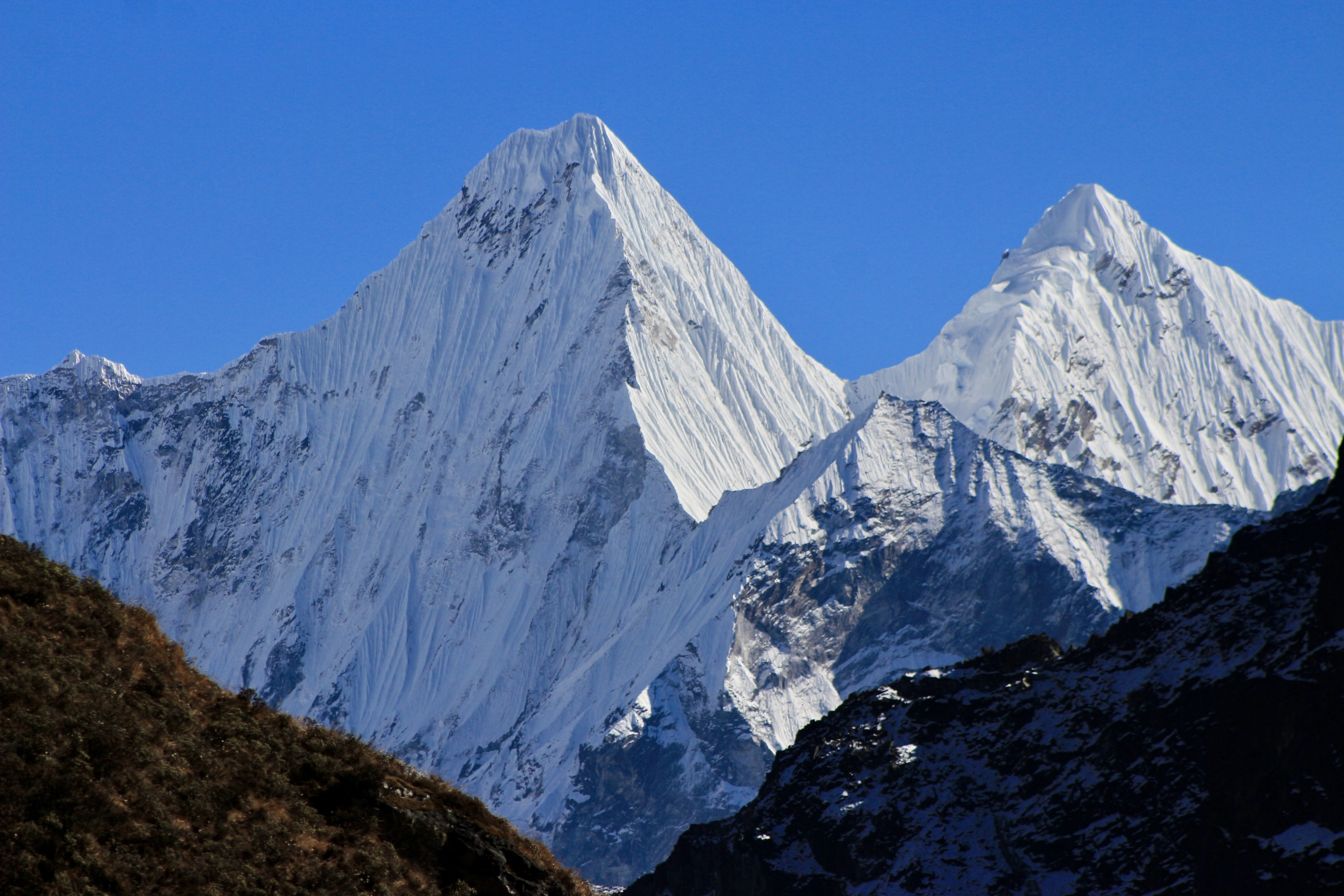
Expeditions

Expeditions

Expeditions in Nepal offer world-class Himalayan adventures ranging from 6,000-meter peak climbing expeditions to challenging 7,000-meter summits and legendary 8,000-meter mountain expeditions. These journeys combine high-altitude mountaineering, glacier travel, technical climbing, breathtaking Himalayan landscapes, and unforgettable summit experiences in the heart of the world’s highest mountains.

Duration20

What's Included

Airport Service

All Seasons

Accomodation

Discuss This Journey
Trekking

Trekking

Adventure Pathway Trekking offers unforgettable Himalayan adventures through Nepal’s most scenic trekking destinations. From breathtaking mountain landscapes and traditional villages to rich cultural experiences and thrilling trails, we create journeys that combine adventure, nature, and local hospitality.


With experienced guides, personalized service, and a strong focus on safety and sustainable tourism, we provide memorable trekking experiences for travelers seeking authentic exploration in the heart of the Himalayas.

Duration20

What's Included

Airport Services

All Seasons

Accomodation

Discuss This Journey
Photography Focused Treks

Photography Focused Treks

Explore scenic trails designed for photography enthusiasts, featuring stunning mountain views, sunrise landscapes, cultural moments, and nature-rich destinations perfect for capturing every step of the journey.


Duration5

What's Included

Professional photography guide

Photography tips and guidance

Assistance in finding unique landscape

Discuss This Journey

For Everyone

Mountains Welcome All Who Listen

Mountains Welcome All Who Listen” reflects the quiet beauty and deep connection found in the mountains.


Surrounded by towering peaks, fresh air, and untouched landscapes, travelers can experience a sense of peace and inspiration that only  nature can offer.


The mountains invite adventurers, trekkers, and explorers to slow down, listen to the rhythm of nature, and discover unforgettable moments in the heart of the wilderness.


Children 8+

A mountain journey for children and families.

Seniors

Peaceful mountain journeys for seniors.

First Timers

Perfect mountain trips for first timers.

Families

Perfect mountain trips for families.
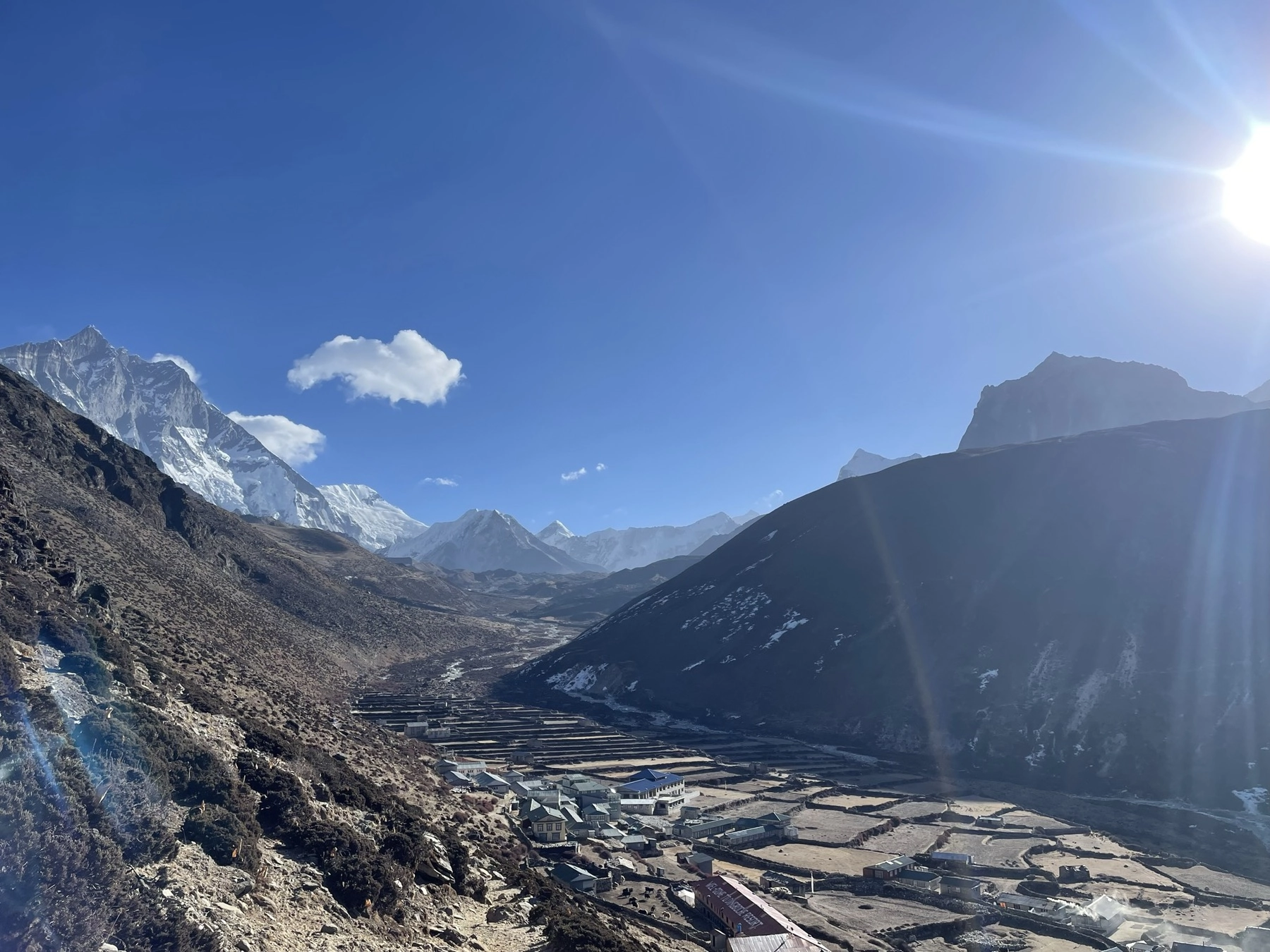
Mountains Welcome All Who Listen
Guided in Your Language

Languages

Guided in Your Language

English English
Norsk Norwegian
Netherlands Dutch
नेपाली Nepali

Stories From The Trail

Reflections & Insights

Observations from years walking these mountains. Not advice—just what I've noticed.
Khumbu Climbing Center and the Next Generation of Himalayan Climbers Featured

CULTURE  •  3 Min Read

Khumbu Climbing Center and the Next Generation of Himalayan Climbers

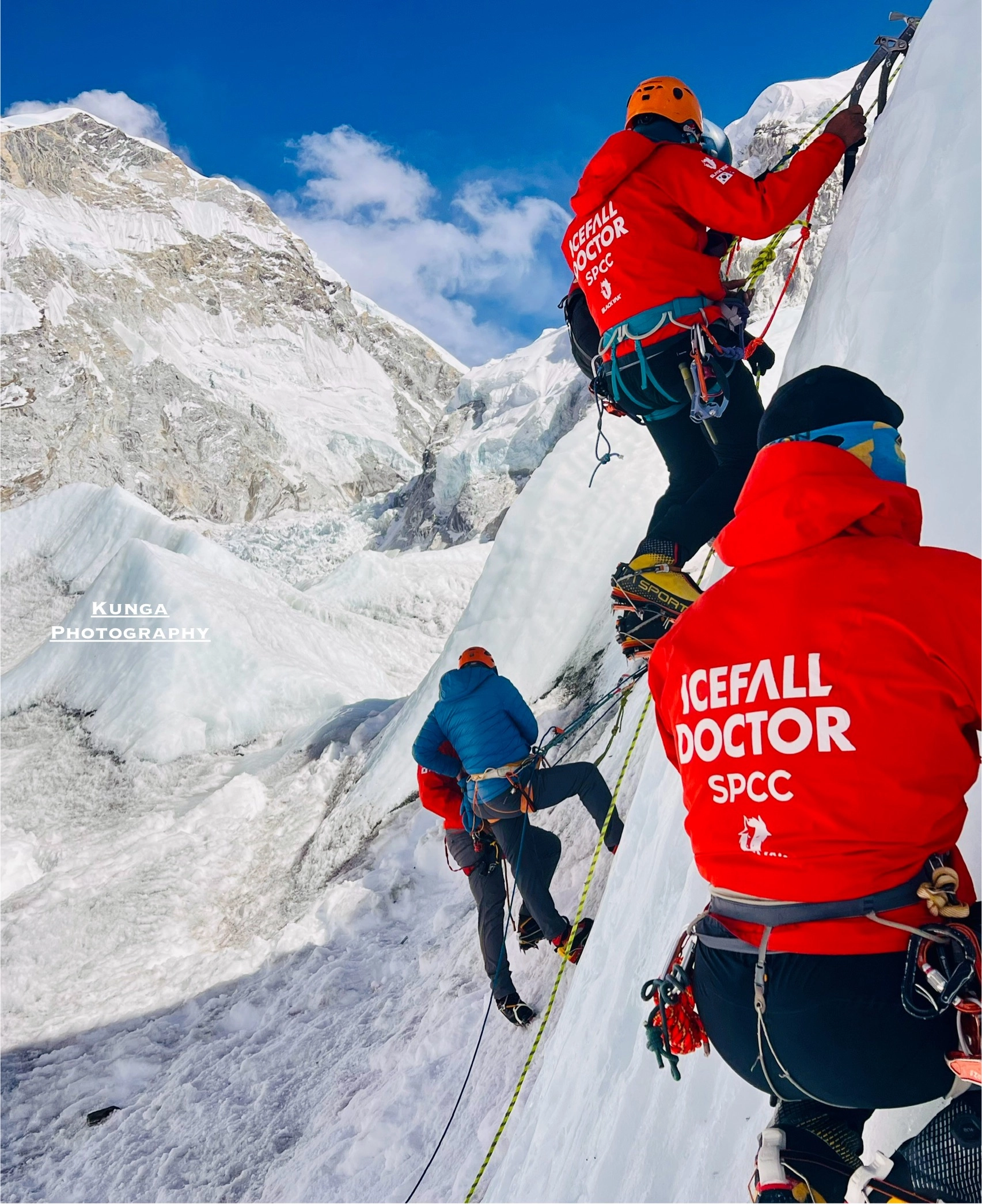
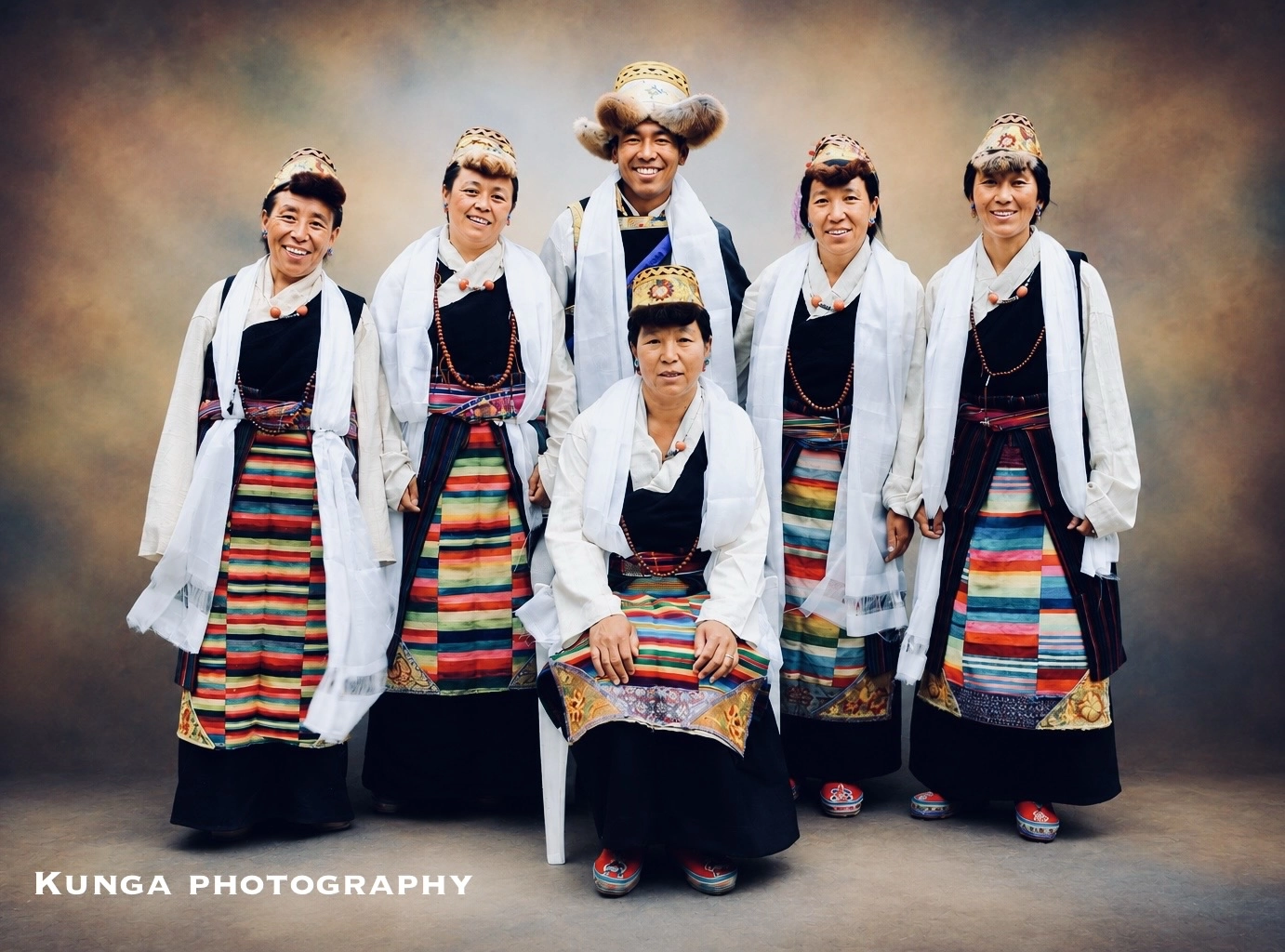
Featuring Kunga Gyaju Sherpa High in Nepal’s Everest region, surrounded by the towering peaks of Ama Dablam, Everest, and Khumbila, stands one of the most important mountaineering schools in the Himalayas, the Khumbu Climbing Center (KCC).   Founded in 2003 in the Sherpa village of Phortse, the Khumbu Climbing Center was created with a powerful mission: to improve the safety, technical skills, and professional opportunities of Nepali climbers and high-altitude workers. Over the years, KCC has become a symbol of education, responsibility, and mountain leadership in Nepal. Today, many experienced Sherpa climbers and mountain professionals are connected to KCC, including instructor and facilitator Kunga Gyaju Sherpa, who represents the new generation of highly trained Himalayan mountaineers.   The Vision Behind Khumbu Climbing Center The Khumbu Climbing Center was established after experienced international climbers recognized the need for formal technical training in Nepal’s mountaineering industry. Although Sherpas had decades of experience on the world’s highest mountains, many lacked access to modern climbing education, rescue systems, and technical safety instruction.   The center was founded with support from renowned climbers including Conrad Anker, Pete Athans, and the Alex Lowe Charitable Foundation. Since then, KCC has trained hundreds of Nepali climbers in: Ice climbing Rope systems Glacier travel Avalanche awareness Wilderness first aid High-altitude rescue Expedition leadership Environmental responsibility Located in Phortse village in the Khumbu region, the school sits beneath the sacred peak Khumbila and near the famous trekking route to Everest Base Camp.   Kunga Gyaju Sherpa Among the dedicated instructors and climbing professionals connected with KCC is Kunga Gyaju Sherpa, a Nepalese mountaineer and climbing facilitator known for his involvement in technical mountain training and Himalayan expeditions.   As part of the growing movement of professionally trained Nepali climbers, Kunga Gyaju Sherpa represents the evolution of Himalayan mountaineering, combining traditional Sherpa mountain knowledge with modern alpine skills and international safety standards.   Through the Khumbu Climbing Center, climbers like Kunga Gyaju Sherpa help train aspiring guides and high-altitude workers, sharing practical mountain experience directly from the Himalayas themselves.   Why KCC Matters The Khumbu Climbing Center has had a major impact on mountain safety in Nepal. Before technical schools like KCC existed, many Sherpa workers learned only through experience on dangerous expeditions.   Today, KCC graduates work on: Everest expeditions International alpine climbs Rescue operations Trekking and mountaineering companies Icefall route management Professional guide training programs The school has also helped create stronger recognition for Nepali climbers as skilled mountaineering professionals, not only as expedition workers, but as instructors, leaders, and athletes.   A Symbol of Sherpa Strength and Education The story of the Khumbu Climbing Center is more than mountaineering. It is a story of empowerment, education, and community development in the Himalayas.   In villages where climbing has long been a way of life, KCC provides young climbers with opportunities to develop safer techniques, international-level training, and leadership skills for the future.   With instructors and facilitators like Kunga Gyaju Sherpa contributing to this mission, the Khumbu Climbing Center continues to inspire a new generation of Himalayan climbers.
June 15, 2026 Read →
Whispers in the Wind: The Story of Himalayan Prayer Flags Featured

CULTURE  •  2 Min Read

Whispers in the Wind: The Story of Himalayan Prayer Flags

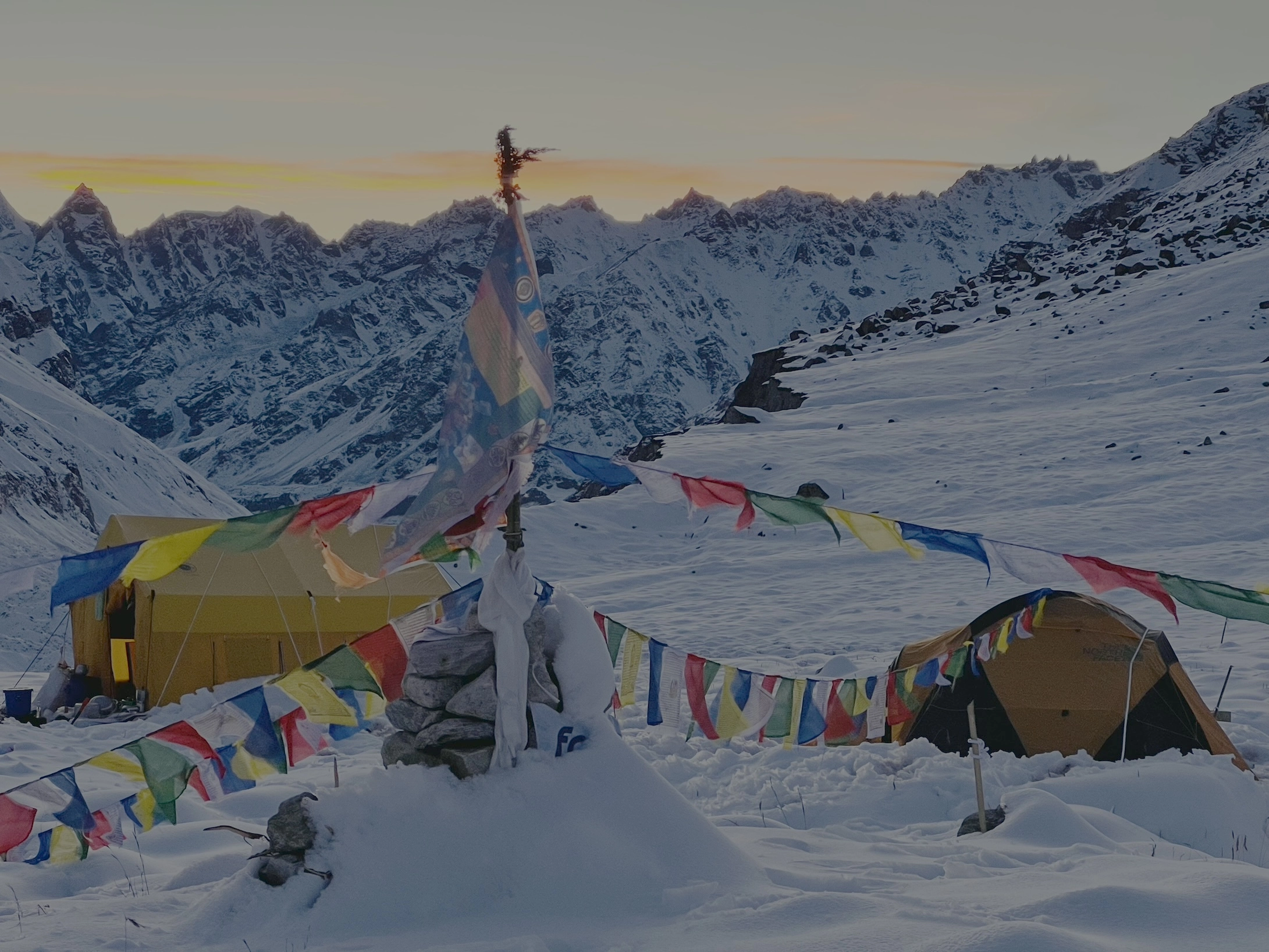
Long before a trekker reaches a mountain summit, the Himalayas begin to tell their story through colorful prayer flags dancing in the wind. Suspended between mountain ridges, monasteries, and high passes, these vibrant flags are more than a beautiful sight—they are a symbol of faith, hope, and harmony that has guided Himalayan communities for centuries.   Throughout Nepal’s mountains, from Everest Base Camp to the remote valleys of Manaslu and Annapurna, prayer flags create a unique connection between nature and spirituality. As the wind passes through them, it is believed to carry prayers, blessings, and positive energy across the mountains and to all living beings.   Traditional prayer flags are made up of five sacred colors, each representing one of the natural elements that sustain life:   Blue – Sky and Space White – Air and Wind Red – Fire Green – Water Yellow – Earth   Together, these five colors symbolize balance, harmony, and the interconnectedness of the natural world. Printed on the flags are sacred mantras, prayers, and symbols intended to promote peace, compassion, strength, and wisdom.   For local people, climbers, and trekkers, prayer flags are much more than decoration. They are often hung before a journey, expedition, or special occasion as a way of seeking blessings, protection, and good fortune. Their presence reminds travelers that the Himalayas are not only a place of adventure but also a place of deep cultural and spiritual significance.   One of the most unforgettable moments during a Himalayan trek is standing beneath thousands of prayer flags at a high mountain pass, watching them flutter against a backdrop of towering snow-capped peaks. In that moment, the mountains feel alive with stories, traditions, and prayers carried by the wind.   At Adventure Pathway, we believe that exploring the Himalayas is about more than reaching a destination. It is about connecting with the culture, traditions, and spirit that make these mountains truly special. As you follow the trails of Nepal, the colorful prayer flags will accompany your journey, reminding you that every step in the Himalayas is part of something greater than yourself.   Join Adventure Pathway and experience the magic of the Himalayas, where adventure meets culture and every prayer flag carries a message of peace across the roof of the world.
June 22, 2026 Read →
The Sherpa People – Guardians of the Himalayas Featured

CULTURE  •  3 Min Read

The Sherpa People – Guardians of the Himalayas

Introduction The Sherpa people are known throughout the world for their deep connection to the Himalayas, mountaineering skills, and warm hospitality. Living mainly in the high mountain regions of Nepal, Sherpas have played an essential role in Himalayan exploration and climbing history for generations. More than mountain guides, Sherpas represent strength, resilience, culture, and respect for nature. Origin of the Sherpa People The word “Sherpa” comes from the Tibetan language: “Shar” means East “Pa” means People Historically, Sherpa ancestors migrated from eastern Tibet to the Himalayan regions of Nepal several centuries ago. Today, many Sherpa communities live in: Solukhumbu (Everest region) Khumbu Valley Helambu Rolwaling Other mountain areas of Nepal Life in the Himalayas Sherpa life has always been closely connected to the mountains. Traditionally, Sherpas were involved in: Yak herding Farming Trading across mountain passes Buddhist religious practices Life at high altitude requires physical endurance, strong community bonds, and adaptation to harsh mountain environments. Sherpas and Mountaineering Sherpas became internationally respected during the growth of Himalayan expeditions in the 20th century. In 1953, Tenzing Norgay Sherpa and Sir Edmund Hillary successfully reached the summit of Mount Everest for the first confirmed ascent in history. Since then, Sherpas have become the backbone of Himalayan mountaineering through: Route fixing High-altitude guiding Rescue operations Expedition logistics Icefall support Their experience and mountain knowledge are critical for many successful expeditions. Sherpa Culture and Buddhism Sherpa culture is deeply influenced by Tibetan Buddhism. Throughout the Everest region, visitors can see: Monasteries Prayer flags Mani stones Chortens Buddhist festivals Sherpas believe in respecting mountains as sacred places. Before many expeditions, climbers participate in a traditional Puja ceremony to pray for safe climbing. Hospitality and Community Sherpa communities are well known for their hospitality and kindness toward travelers. Trekking lodges and tea houses in the Everest region often provide warm meals, local stories, and a welcoming atmosphere for visitors from around the world. Strong family and community values remain central to Sherpa society. Modern Sherpa Generation Today, many Sherpas continue to work in: Trekking Mountaineering Tourism International guiding Business and education At the same time, younger generations are balancing modern opportunities while preserving traditional culture and Himalayan identity. Respecting Sherpa Identity The word “Sherpa” is sometimes incorrectly used worldwide to mean porter or mountain helper. In reality, Sherpa is an ethnic group with its own language, traditions, religion, and history. Understanding Sherpa identity means respecting both their cultural heritage and contributions to mountaineering. The Sherpa people are an important part of Himalayan history and spirit. Their courage, mountain wisdom, and cultural traditions continue to inspire climbers and travelers across the world. For many visitors, meeting Sherpa communities becomes one of the most meaningful experiences of any Himalayan journey. — Kunga Sherpa
June 20, 2026 Read →

Credentials

Trust, Earned

NMA Certified

NMA certified mountain guides

2010

Wilderness First Responder

Wilderness first aid certified team

2019

Rigging For Rescue

Safety for both rescuer and casualty.

2018

20+

Years Experience

8x

Everest Summit

100%

Safety Record

Reflections

What Travelers Say

"Standing at 6,812 meters in the heart of the Khumbu region, directly above the trekking trail between Namche Bazaar and Everest Base Camp, Ama Dablam is a mountain that commands attention from every angle its elegant southwest ridge, dramatic hanging glacier known as the Dablam, and near-symmetrical summit pyramid creating one of the most recognizable mountain silhouettes in the world."

Maryam Bridges

Kathmandu, Nepal

Ama Dablam

Read Full Testimonial

"Located within the legendary Sagarmatha National Park, the Everest Base Camp Trek follows ancient Sherpa trails through vibrant mountain villages, suspension bridges, deep valleys, alpine forests, glacial rivers, and dramatic high-altitude landscapes. Every step of the journey reveals magnificent Himalayan scenery while gradually bringing trekkers closer to the towering peaks of the Everest region."

Suji

Kapan, Kathmandu

Everest Base Camp Trek

Read Full Testimonial

"The spiritual climax of the journey comes at Annapurna Base Camp, 4,130 meters, where the mountains stand like guardians around you. From this sacred Himalayan sanctuary, you witness breathtaking views of Annapurna I, Machhapuchhre, Annapurna South, Hiunchuli, Gangapurna, and nearby peaks. Sunrise here feels almost divine, as golden light touches the snow and the entire valley awakens in silence."

Nisa

Kathmandu, Nepal

Annapurna base Camp

Read Full Testimonial