
Expeditions
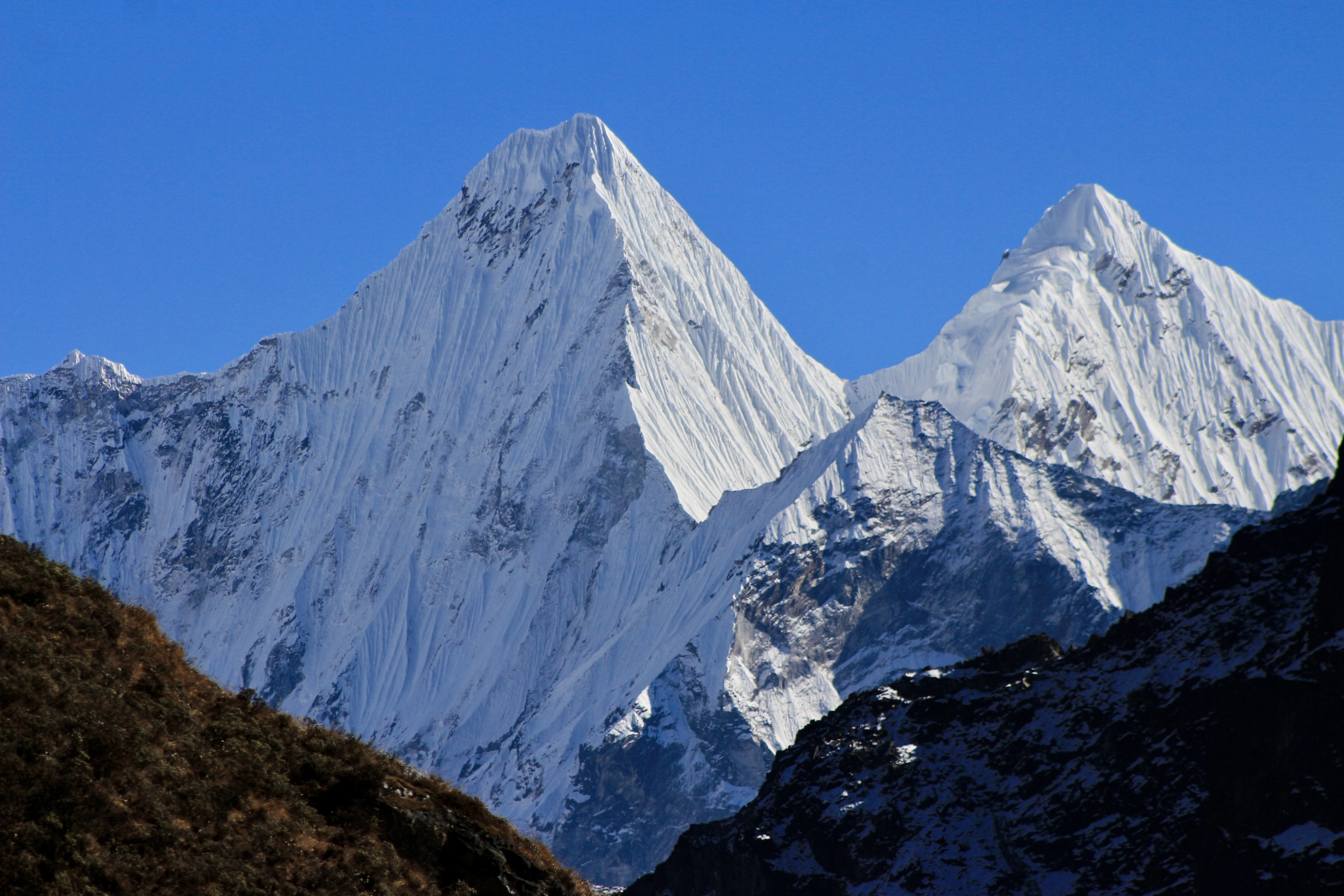
Expeditions in Nepal offer thrilling high-altitude adventures through the world’s highest Himalayan peaks, combining mountaineering challenges with breathtaking scenery and unforgettable summit experiences.
About Expeditions
Expeditions in Nepal offer world-class Himalayan adventures ranging from 6,000-meter peak climbing expeditions to challenging 7,000-meter summits and legendary 8,000-meter mountain expeditions. These journeys combine high-altitude mountaineering, glacier travel, technical climbing, breathtaking Himalayan landscapes, and unforgettable summit experiences in the heart of the world’s highest mountains.
Highlights

All Seasons
Across all seasons

Accomodation
Duration
What's Included
Airport Service
Summit
All Seasons
Across all seasons
Accomodation
Accomodation
Trekking Regions
Explore diverse mountain regions
Peak Climbing 7000
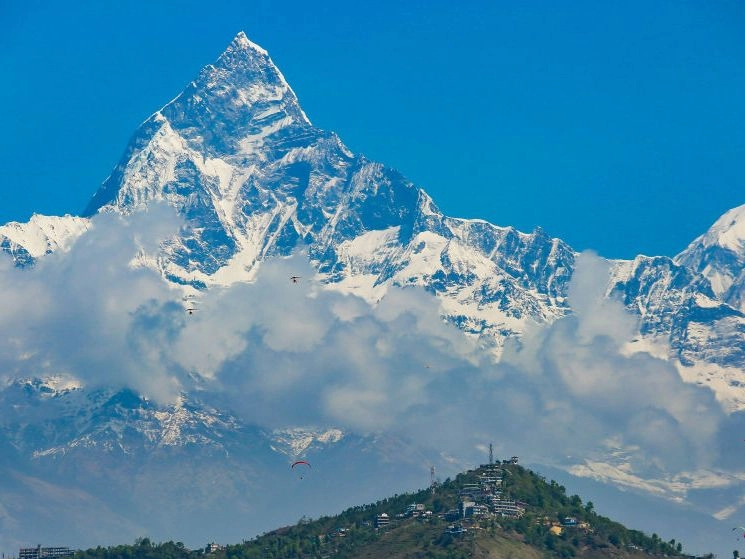
Peak Climbing (7000m) is an extreme high-altitude mountaineering expedition in the Nepal Himalayas that takes climbers to peaks around 7,000 meters. It is designed for experienced climbers with strong technical skills, involving advanced glacier travel, steep ice and snow climbing, and the use of specialized mountaineering equipment.
This expedition demands excellent physical fitness, proper acclimatization, and prior high-altitude experience due to the harsh weather conditions and technical difficulty. It offers an ultimate Himalayan adventure with breathtaking views of some of the world’s highest peaks, vast glaciers, and remote alpine wilderness. Popular 7000m objectives are found in regions such as the Everest Region, Annapurna Region, and Dolpo Region.
Best Season: Spring and Autumn
Peak Climbing 6000
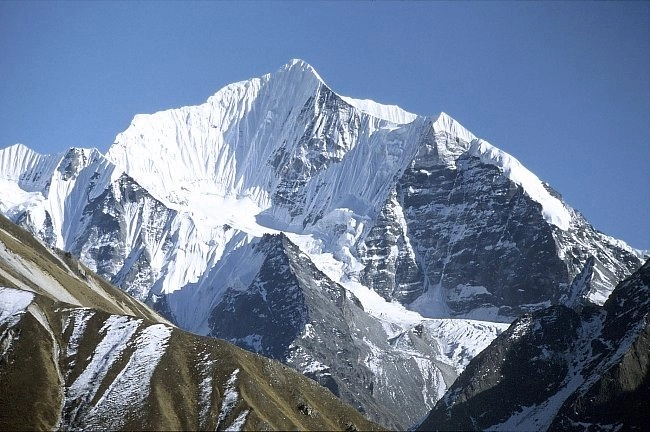
Peak Climbing (6000m) is a thrilling high-altitude adventure in the Nepal Himalayas that takes climbers to peaks around 6,000 meters. It is designed for trekkers with basic mountaineering experience, involving glacier travel, ice, and snow climbing using technical gear.
This activity offers a perfect introduction to Himalayan climbing while rewarding adventurers with panoramic views of towering peaks, deep valleys, and remote alpine landscapes. Popular objectives are located in regions like the Everest Region and the Annapurna Region.
Best Season: Spring and Autumn
Difficulty Levels & Safety
Understanding trek difficulty and our comprehensive safety measures
Safety Protocols

Altitude Acclimatization
- Altitude acclimatization helps your body adjust to higher elevations gradually. It reduces the risk of altitude sickness.
- It improves oxygen use in low-oxygen environments. Rest days and slow ascent are important.
- It improves oxygen use in low-oxygen environments. Rest days and slow ascent are important.
Important Safety Information
Medical Requirements
- • Participants should be in good general health and may require basic medical fitness checks depending on the trek.
- • It is recommended to disclose any existing health conditions beforehand and carry essential personal medications during the journey.
- • It is recommended to disclose any existing health conditions beforehand and carry essential personal medications during the journey.
Physical Preparation
- • Start preparing your body with regular cardio exercises like walking, jogging, and cycling.
- • Include strength training to improve leg and core muscles for better stability.
- • Focus on building endurance so you can comfortably handle long trekking days.
- • Practice hiking on uneven or uphill terrain to simulate trekking conditions.