
Tengboche Monastery Mani Rimdu Trek | Cultural & Spiritual Journey in Everest Region
Duration
14 Days
Max Altitude
3,860m
Difficulty
Medium
Group Size
1-10 People
Best Season
Autumn
About Tengboche Monastery Mani Rimdu Trek | Cultural & Spiritual Journey in Everest Region
Tengboche Monastery | Spiritual Jewel of Khumbu
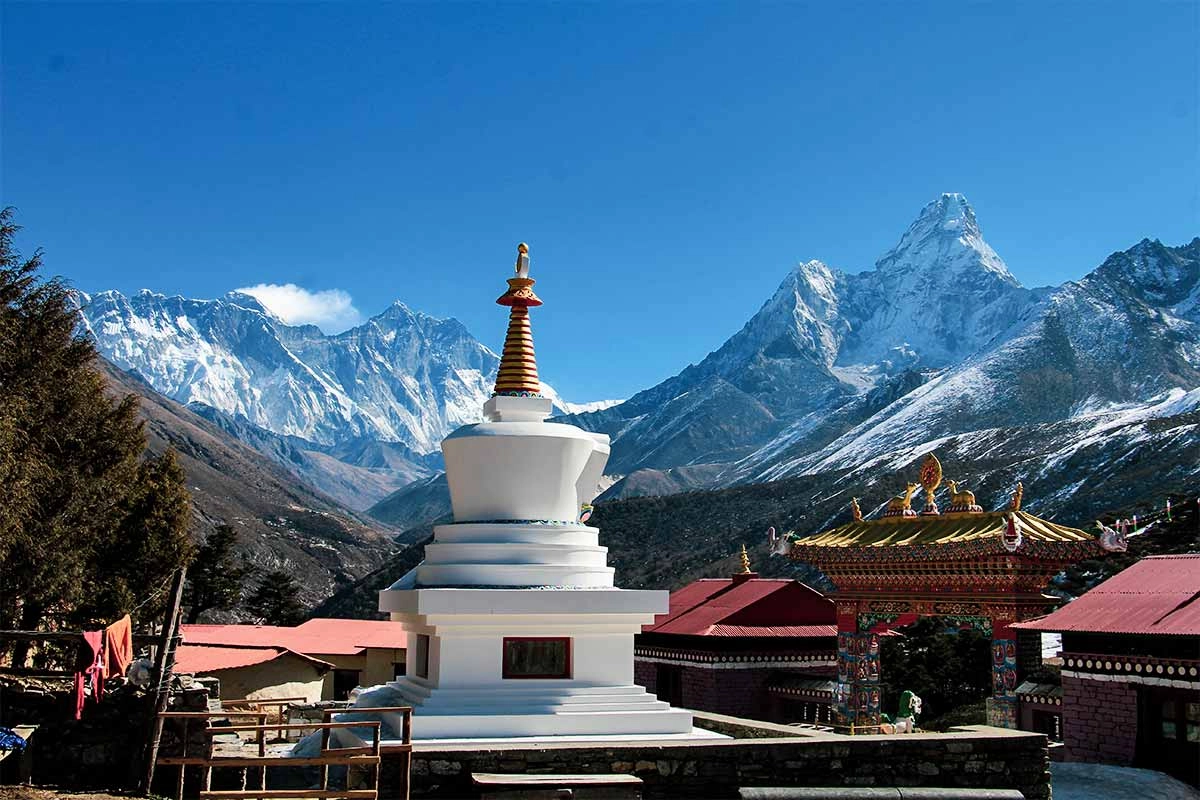
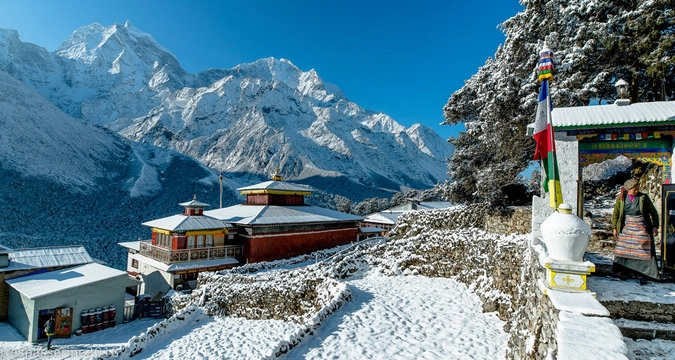
Tengboche Monastery, also known as Thyangboche Monastery or Dawa Choling Gompa, is the largest and most important Tibetan Buddhist monastery in the Khumbu region of Nepal. Located at an altitude of 3,867 meters, the monastery serves as the spiritual center of the Sherpa community and is one of the major cultural attractions along the Everest Base Camp trekking route.
Established in 1916 by Lama Gulu, the monastery has strong religious ties with Rongbuk Monastery in Tibet. Although it was damaged by the 1934 earthquake and later destroyed by fire in 1989, it was rebuilt with the support of local communities and international assistance. Situated along the famous Everest Base Camp trekking route, Tengboche serves as an important spiritual center for the Sherpa community and a resting point for trekkers and climbers heading toward Everest. The monastery is also a significant destination of the Sacred Sites Trail Project within Sagarmatha National Park.
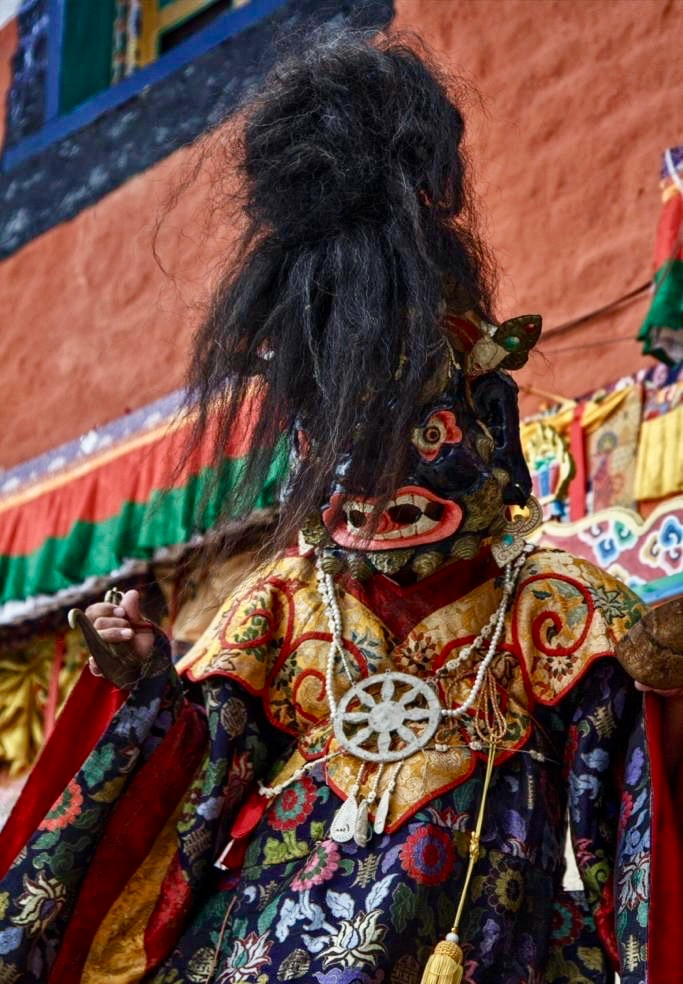
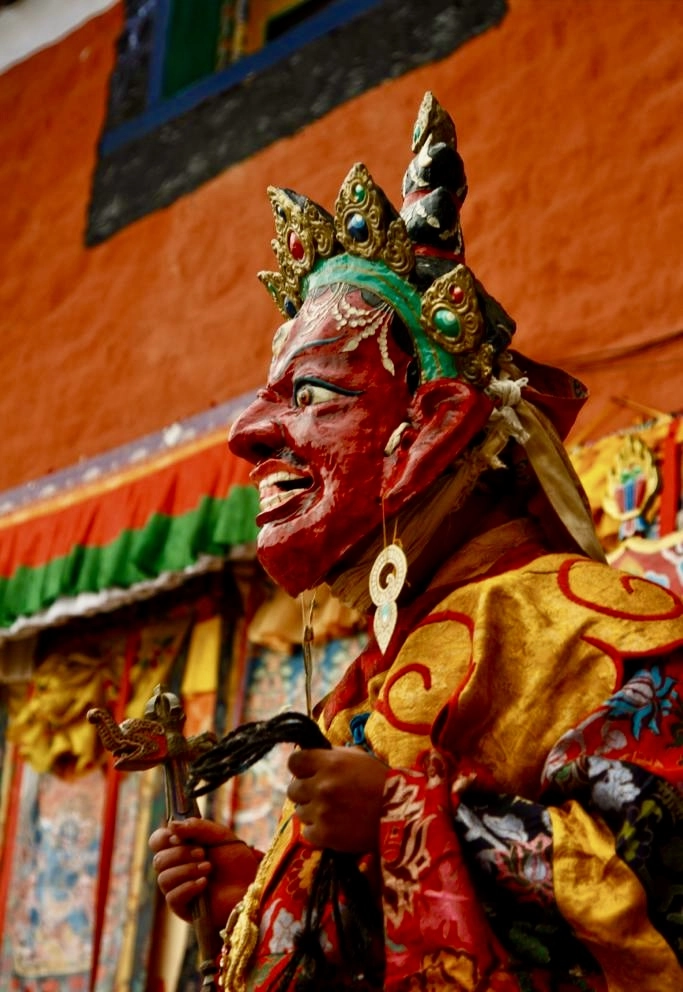
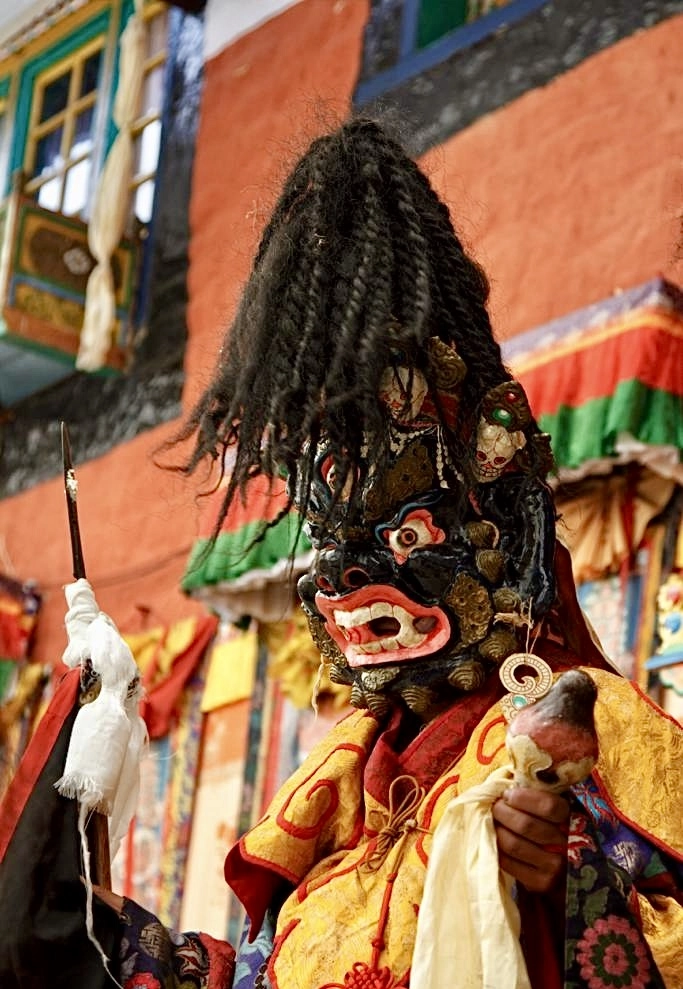
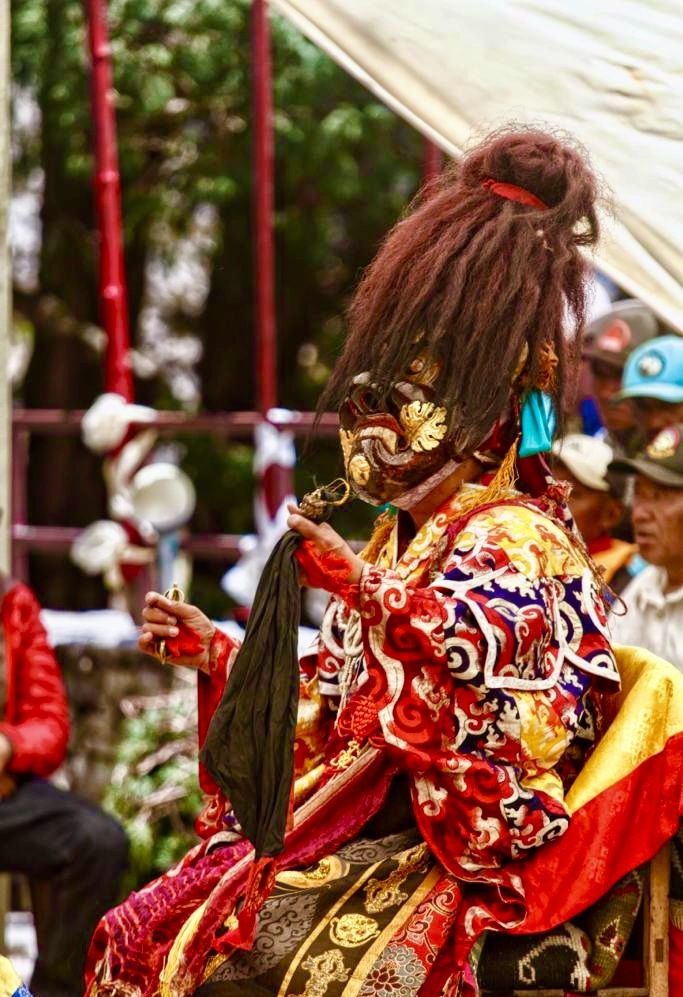
Tengboche Monastery is also widely known for hosting the famous Mani Rimdu Festival, the most important religious festival of the Sherpa people. Celebrated during October and November according to the Tibetan lunar calendar, the festival lasts for nineteen days and includes sacred rituals, meditation ceremonies, sand mandala creation, blessings, and traditional masked dances performed by monks. These symbolic dances represent the triumph of Buddhism over negative forces and honor Guru Rinpoche, the founder of Tibetan Buddhism.
The monastery serves as both a spiritual sanctuary and a cultural attraction, drawing thousands of trekkers, pilgrims, and visitors from around the world every year. During spring, the surrounding hills are covered with blooming rhododendron forests, making Tengboche one of the most scenic and spiritually enriching destinations in the Everest region.
Geography
Tengboche Monastery is located within Sagarmatha National Park in the Khumbu region of northeastern Nepal. The monastery sits on a hilltop at the confluence of the Dudh Kosi and Imja Khola rivers and lies on the popular trekking route to Everest Base Camp.
The monastery is accessible via Lukla and Namche Bazaar and usually requires several days of trekking for acclimatization. The surrounding landscape offers spectacular panoramic views of major Himalayan peaks including Mount Everest, Ama Dablam, Lhotse, Nuptse, Tawache, and Thamserku. During spring, the hills around Tengboche are covered with blooming rhododendron forests, enhancing its natural beauty.
Structure
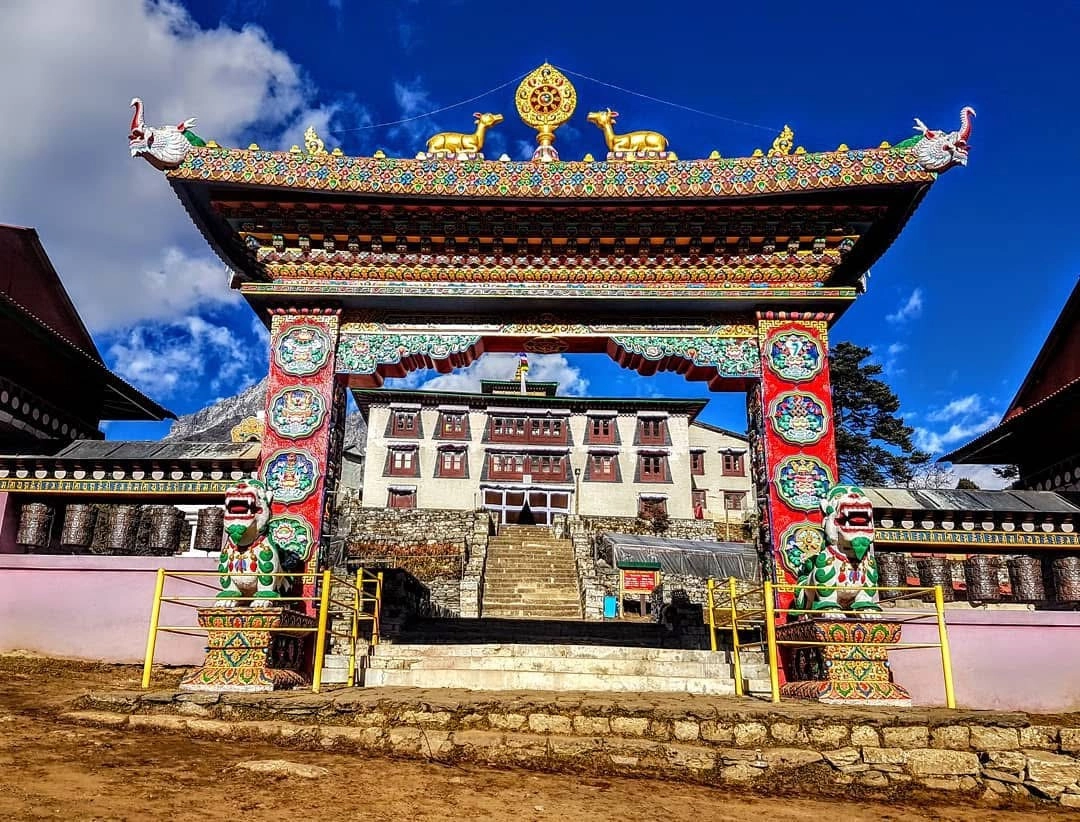
The monastery is built in traditional Tibetan Buddhist architectural style using stone masonry. The complex includes a large courtyard, prayer halls, monks’ quarters, storerooms, and meditation spaces used for religious ceremonies and daily monastic activities.
The main prayer hall, known as the Dokhang, houses a large statue of Shakyamuni Buddha along with sacred statues of Manjushri and Maitreya Buddha. Ancient Buddhist scriptures, including the Kangyur, are preserved within the monastery. The area surrounding the monastery is decorated with colorful prayer flags and ancient mani stones engraved with sacred Buddhist mantras.
Mani Rimdu Festival
Mani Rimdu is the most important religious festival celebrated at Tengboche Monastery and among the Sherpa community. The festival takes place during October and November according to the Tibetan lunar calendar and lasts for nineteen days.
The festival includes prayer ceremonies, meditation rituals (Drupchen), the creation of sacred sand mandalas, blessings, and traditional masked dances performed by monks. The masked dances symbolize the victory of Buddhism over negative forces and honor Guru Rinpoche, the founder of Tibetan Buddhism.
One of the important traditions of the festival is the distribution of blessed red pills known as Rimdu or Rilbu to devotees for spiritual blessings and protection. The festival attracts pilgrims, trekkers, and tourists from around the world, making Tengboche Monastery an important spiritual and cultural destination in the Everest region.
Key Information
-
Region: Everest (Khumbu), Nepal
-
Maximum Elevation: 3,860m (Tengboche)
-
Starting Point: Kathmandu
-
Trek Route: Lukla – Phakding – Namche Bazaar – Tengboche
-
Trek Type: Cultural & Festival Trek
-
Difficulty Level: Easy to Moderate
-
Best Season: October – November
-
Main Attraction: Mani Rimdu Festival
-
Accommodation: Teahouses and mountain lodges
-
Ideal For: Cultural travelers, photographers, beginners, spiritual explorers
Experience the Journey
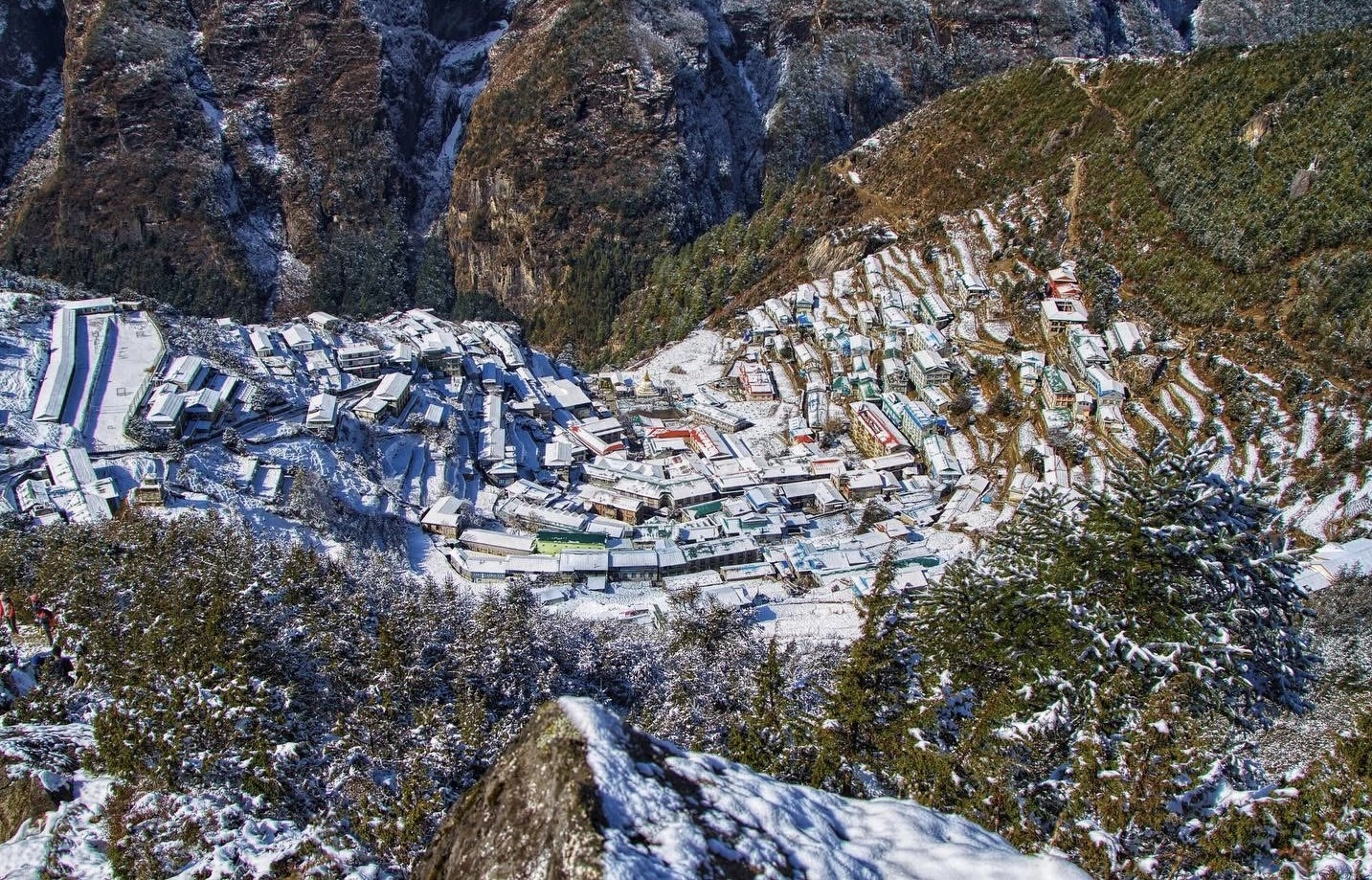
A visual journey through the Everest Base Camp trek showcasing the stunning landscapes and cultural highlights
Day-by-Day Itinerary
Arrival at Tribhuvan International Airport followed by transfer to the hotel. Meet the trekking team and attend a short trip briefing and preparation session.
Enjoy a scenic Himalayan flight to Lukla and begin an easy trek through Sherpa villages, prayer wheels, and riverside trails to Phakding.
Trek through pine forests, suspension bridges, and Sagarmatha National Park towards the vibrant Sherpa town of Namche Bazaar.
Spend the day acclimatizing with short hikes to Everest viewpoints, monasteries, museums, and local markets.
A scenic trek through rhododendron and pine forests with panoramic Himalayan views leading to the famous Tengboche Monastery.
Participate in the vibrant Mani Rimdu Festival featuring sacred rituals, masked dances, chanting ceremonies, blessings, and traditional Buddhist cultural performances at Tengboche Monastery.
Continue exploring festival activities and enjoy optional hikes around Tengboche for sunrise views, mountain photography, and local cultural experiences.
Descend through beautiful forest trails, river valleys, and mountain landscapes back to Namche Bazaar.
Final trekking day with a gradual descent to Lukla followed by a farewell celebration with guides and trekking staff.
Early morning scenic flight back to Kathmandu followed by free time for relaxation, shopping, or sightseeing.
Reserved as an extra day in case of weather delays or unforeseen travel conditions. If unused, the day can be spent exploring Kathmandu or relaxing before departure.
Transfer to Tribhuvan International Airport for final departure onward to your next destination.
What's Included & Not Included
Included
- Airport pickup and drop service in Kathmandu
- Round-trip domestic flights (Kathmandu–Lukla–Kathmandu)
- Hotel accommodation in Kathmandu
- Teahouse accommodation during trek
- Licensed trekking guide and porter support
- Required permits (Sagarmatha National Park, TIMS)
- All meals during trekking (Breakfast, Lunch, Dinner)
- Festival guidance and cultural interpretation
- First aid and safety support
- All government taxes and logistical arrangements
Not Included
- International airfare and Nepal visa fees
- Personal trekking gear and clothing
- Travel insurance
- Drinks, snacks, WiFi, charging, and hot showers
- Tips for guides and porters
- Emergency evacuation or medical costs
- Any services not mentioned in the itinerary
Ready to Start Your Adventure?
Let's discuss your goals and create a personalized itinerary
Frequently Asked Questions
Similar Trips
Stunning images from our treks and expeditions
Three Oldest Monasteries Trek in Khumbu | Sacred Heritage Journey to Everest