
Thame Mani Rildurp ( Mask Dancing )Festival Trek | Cultural Himalayan Journey in Everest Region
Duration
12 Days
Max Altitude
3,800m
Difficulty
Moderate
Group Size
2-18 People
Best Season
Spring and Autumn
About Thame Mani Rildurp ( Mask Dancing )Festival Trek | Cultural Himalayan Journey in Everest Region
THE DHARMA WHEELS OF GREAT BLISS
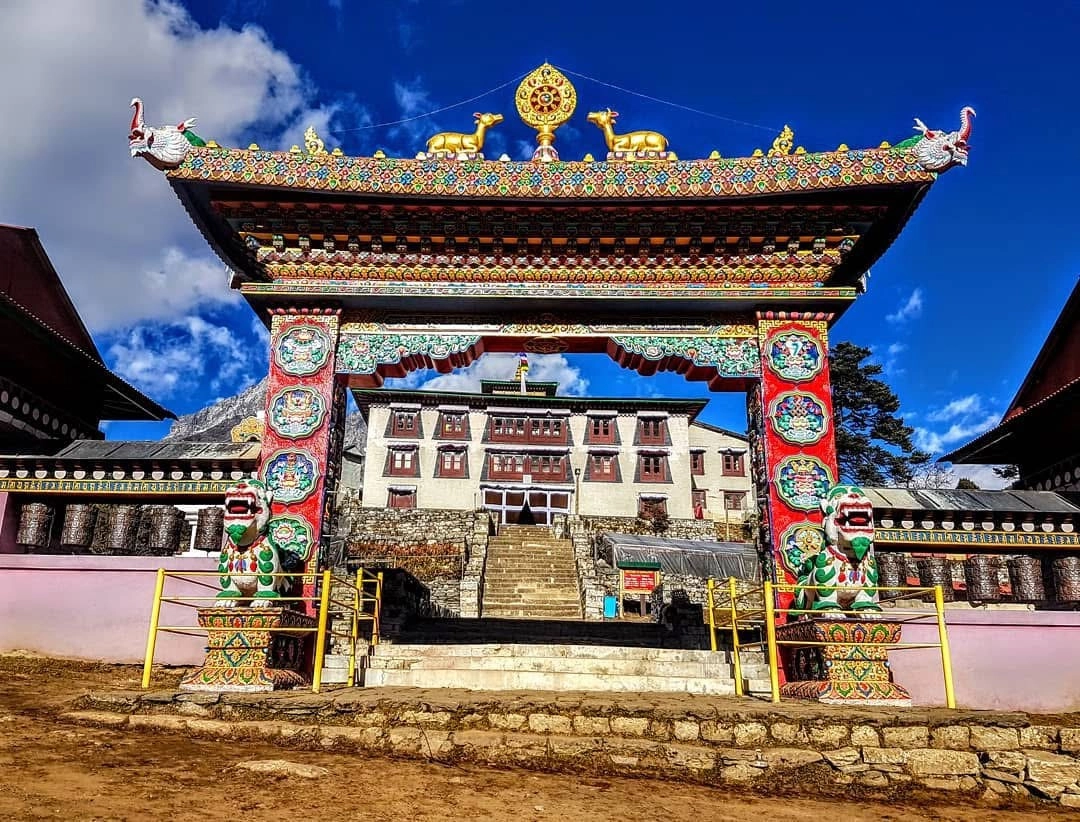
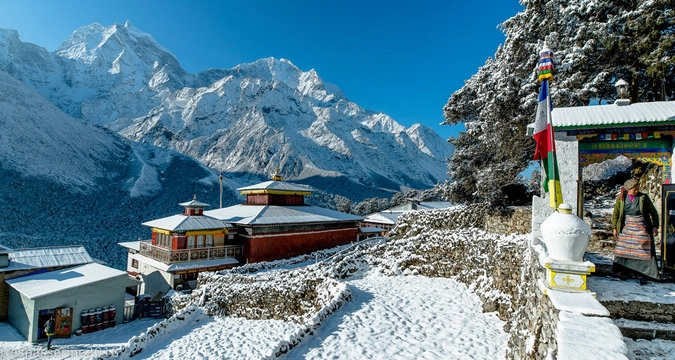
THAME MONASTERY
( Thame monastery 4000m( 13,123ft))
Thame monastery is one of the oldest monasteries in the Khumbu Region of Nepal. The monastery is located 200 meters above the Thame Village which itself is at the elevation of 3800 meters(12,500ft). The monastery sits on the southern sloping area of sumdur peak(5377meters(17,641ft)). The monastery is believed to have been founded around in the 17th century's by The Great Master LAMA ROLPA DORJEE. Lama Rolpa Dorjee was the middle brother of lama sangwa dorji and lama khempa dorji. LAMA ROLPA DORJEE was a practitioner endowed with the great powers and as a sign of accomplishment was able to twist an Iron Rod with his bare hand. The particular Iron is preserved in the main shrine of the monastery and the Rod will be displayed during the annual Dumjee festival.
STRUCTURE
The monastery is constructed with stone masonry and Red clay. The lourtyard and store room are large to facilitate the monks' religious rites and Annual Activities. The main Building has the Mandatory Dongkhang, the prayers hall where a statue of Compassion buddha (Chenreyzig) Shakyamuni Buddha (Hoetpakme) and Guru Padmasambawa (Lotus Buddha) is deified. The statue extends to two floors of the monastery and encompasses the Sersang lhakhang (golden place) , the first floor shrine room. Scriptures of kengyur and tengyur, the original teaching of the Buddha translated into Tibetan alphabet are part of the sanctum.
The way of monastery ancient mani stone (flat stone inscribed with the many mantra) “ OM MANI PEDME HUM" , “OM AHH HUNG” , “HA AHH SHA SHA MA HA" AND “OM AHH HUNG BAJRA GURU PADMA SIDI HUNG" . Prayers flag flying atop the high hill backward of the monastery. Flags are flown in colour denoting the five Buddhist elements earth,wind,fire,water and consciousness. In the nearby village there are many chortens (stupa) on the way ,monastery and hermitages including those at Tengboche , Pangboche, Khumjung and Remejung.
FESTIVAL AND CEREMONY OF MONASTERIES
1. Yarngu (10th day of monthly ceremony)
2. Manirildup (manirimdu) mask dancing
3. Nyungney (vipasana of Buddhism)
4. Yarney (retreat of summer )
· Cherip duwa(long life bless)
· Kangsu duwa(mahakala chant)
· Kyengur (reading praying books of buddhas speech)
· Gaye ( ending day of retreat of summer)
5.Dorsem duwa(bajra satwa chant)
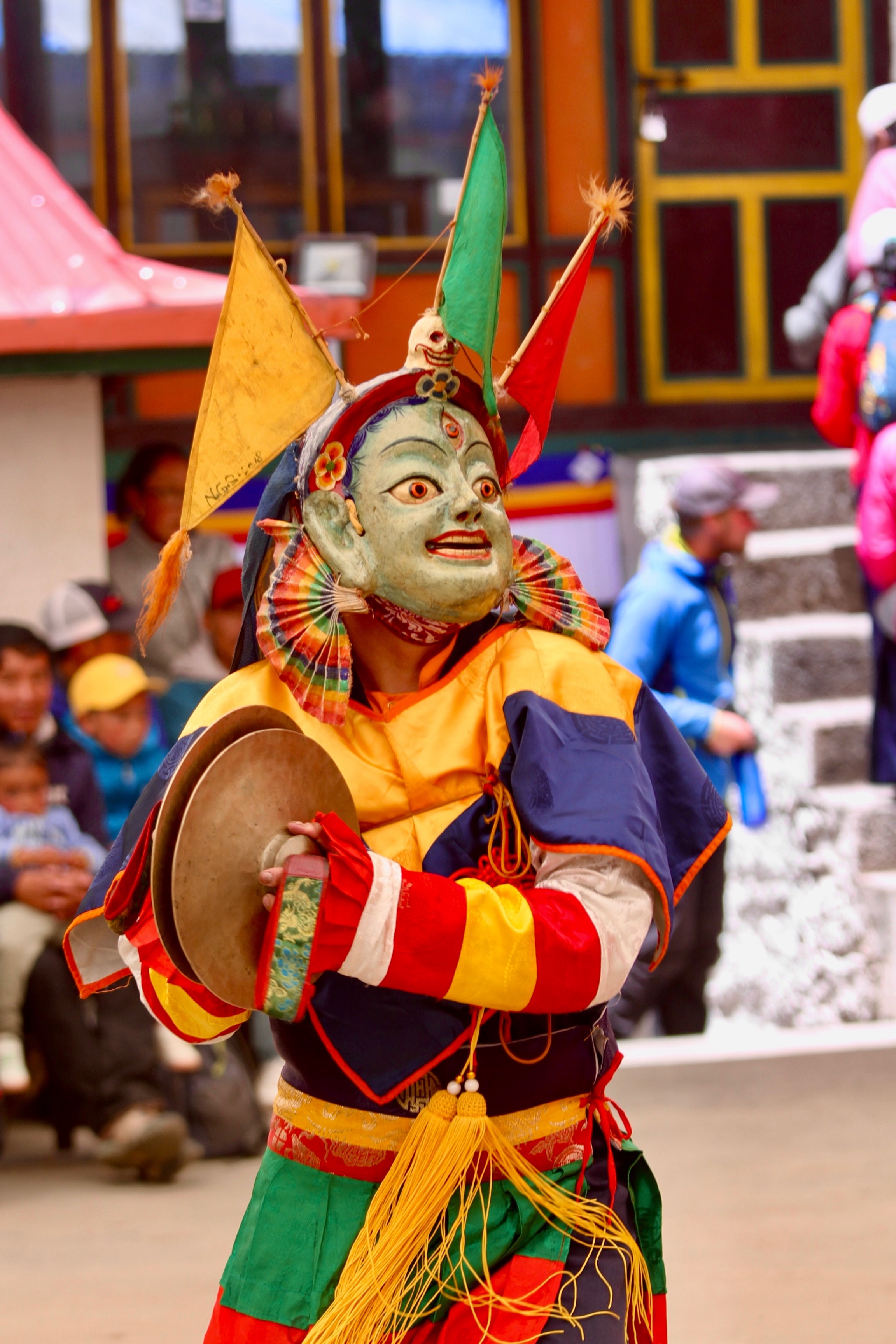
MANIRILDUP CEREMONY (MASK DANCING FESTIVAL)
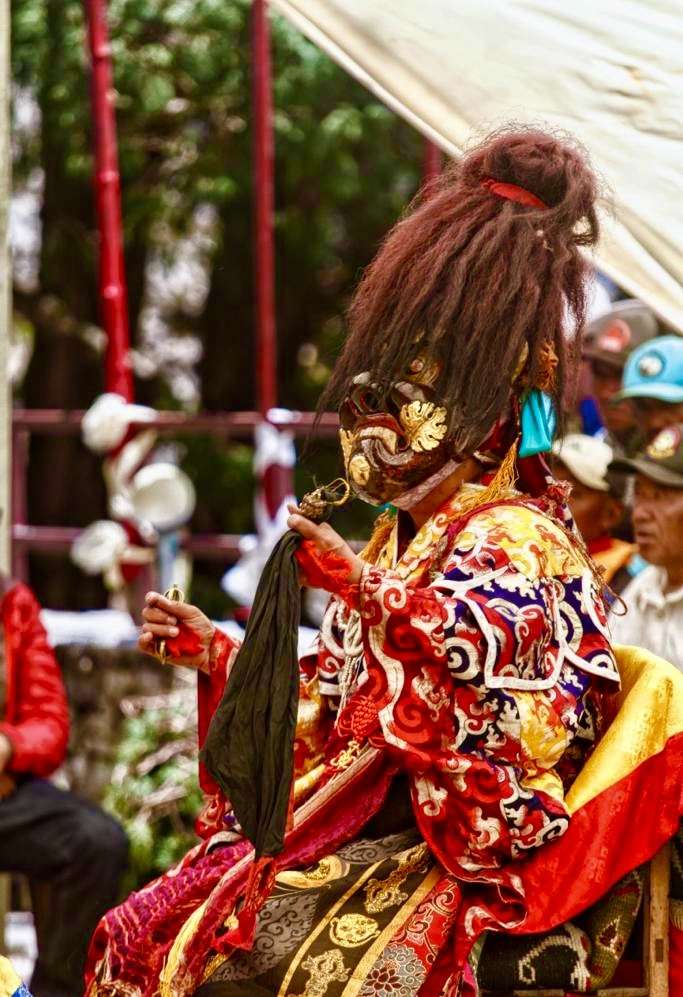
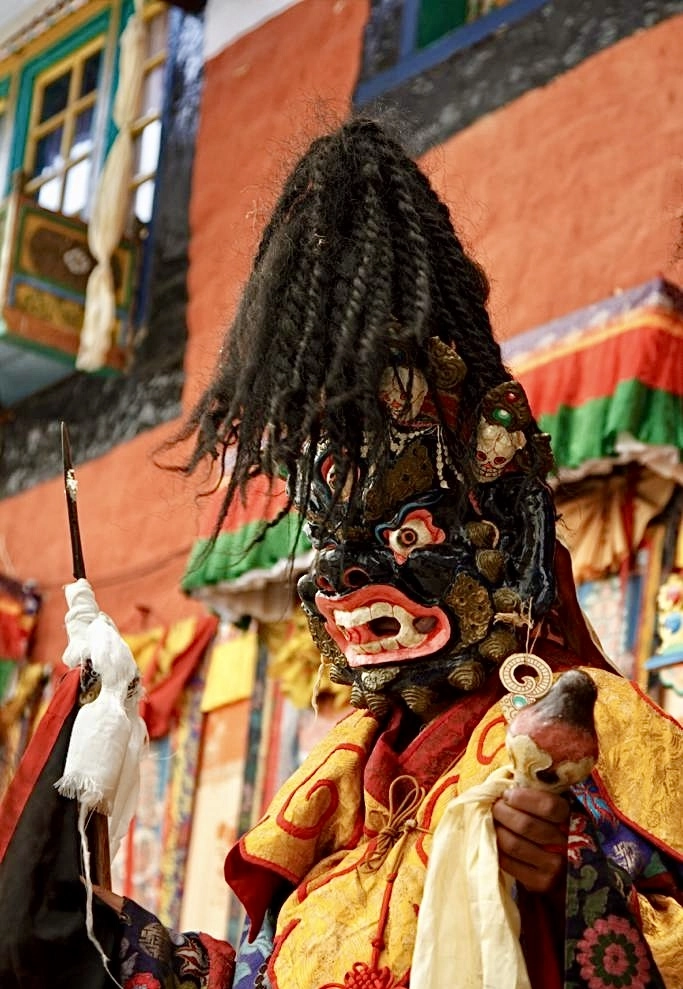
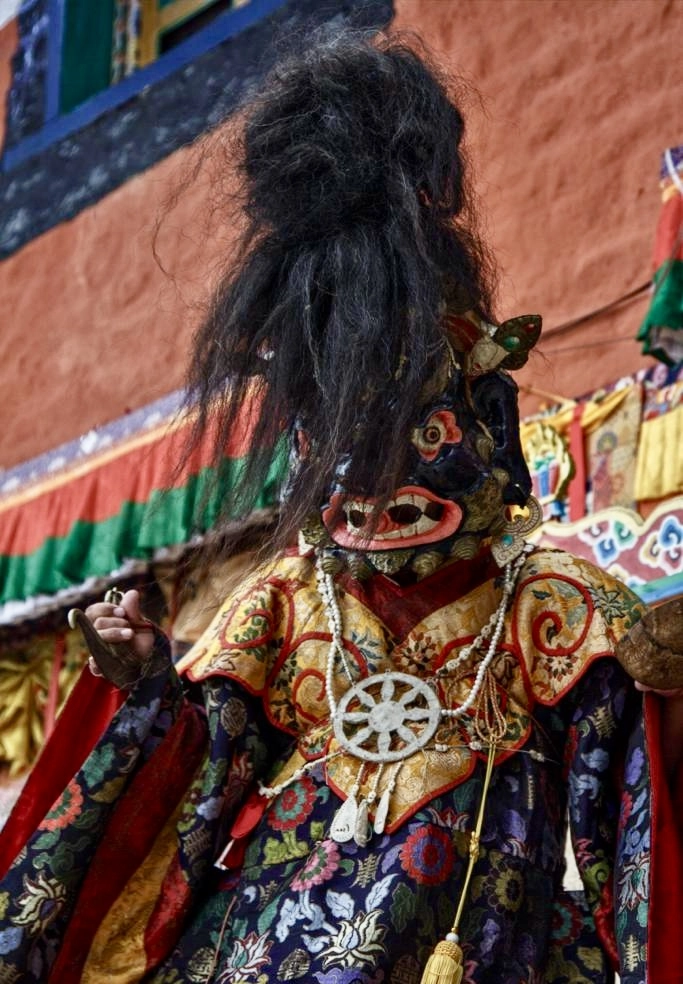
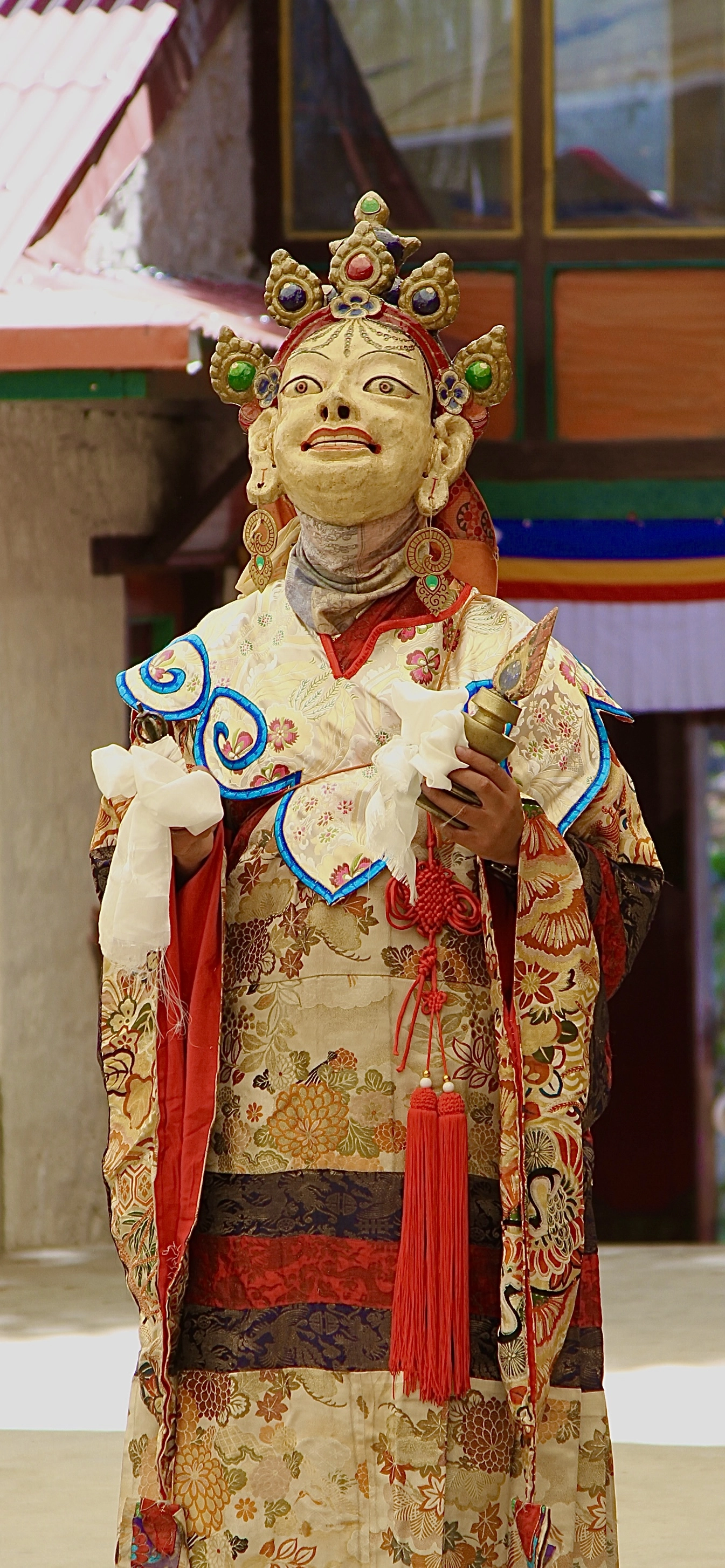
Manirildup is one of the most important festivals of the monastery and sherpa people. In Thame monastery the festival is held during the fourth lunar month of the Tibetan calendar corresponding to may and june of the Gregorian calendar. It falls on the end of the spring season of Everest expedition . The festival which lasts for nineteen days the religious festival involves ceremonies and meditation (DRUPCHEN) . The meaning attributed to “manirimdu and manirildup” is that mani means part of the chant (mantra) of Chenreyzig (Compassion buddha). Rimdu and rildup means also known as rilbu, small red pills that are blessed during the festival. The Red pills are blessed repeatedly and then distributed to all those who attend at Song ( Blessing day).
The festival is a tradition passed on from The Mother Monastery from TIBET RONGBUK MONASTERY . It began with an elaborate depiction of the Kilkhor (Mandala ) Diagram made with coloured sand. This sand was extracted from a specified place and from Holly places. The mandala takes at most four days to draw. Then it is covered and central to the chanting room. The festival that the next 10 days the program Includes sixteen dances and they show the Interludes for comical effect.
Day-by-Day Festival Activities:
Days 1–2: Preparation & Ritual Setup
Monks begin preparations for the ceremony by creating ritual offerings such as torma (sacred rice sculptures) and colorful butter decorations. The sacred sand mandala is also prepared inside the monastery, symbolizing the spiritual universe.
Days 2–8: Prayer & Meditation Ceremonies
The monastery conducts continuous chanting, meditation, and religious rituals known as Drupchen. These ceremonies are performed to bring peace, protection, and blessings to the community.
Day 9: Chamguyk (Mask Dance Rehearsal)
A preliminary rehearsal of the sacred mask dances takes place in the afternoon. Monks prepare for the main public performance while continuing prayers and ritual practices.
Day 10: Ong – Blessing Day
This special day is dedicated to blessings for the local villagers. Lamas and monks distribute sacred blessings and blessed red pills (Rildup) to attendees for spiritual protection and good fortune.
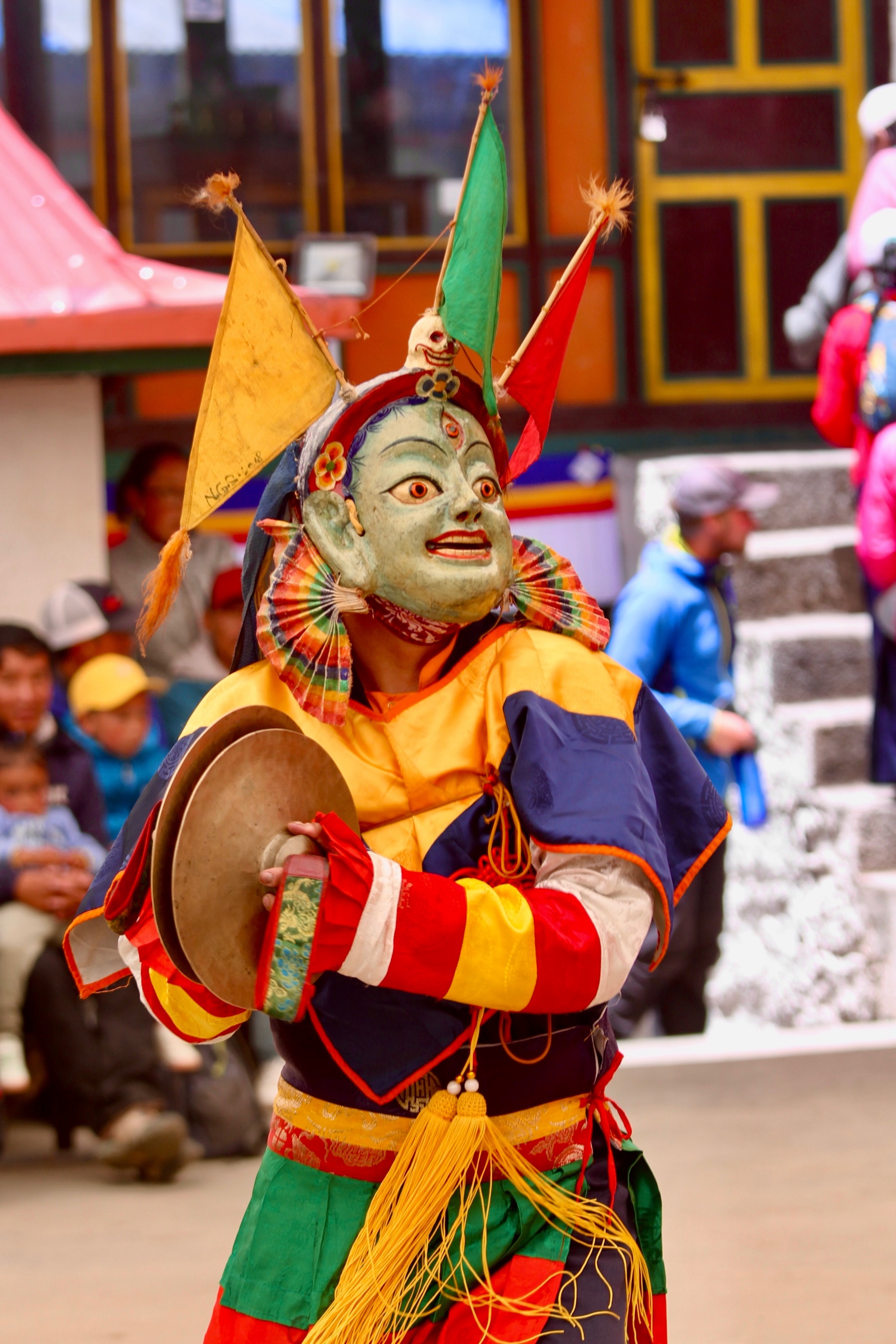
Day 11: Main Mask Dancing Ceremony
The highlight of the festival features sacred masked dances performed by monks throughout the day. The dances symbolize the triumph of wisdom and compassion over negative forces and are accompanied by traditional music, prayers, and rituals.
After the religious performances, the local community celebrates with traditional Sherpa songs and dances, helping preserve their cultural heritage.
Day 12: Fire Ceremony & Closing Rituals
The monks conduct a purification fire ceremony (Zinsek) and dismantle the sacred sand mandala, symbolizing the impermanence of life. Holy water rituals and final prayers (Tashi Monlam) are then performed to officially conclude the festival.
Experience the Journey
A visual journey through the Everest Base Camp trek showcasing the stunning landscapes and cultural highlights
Day-by-Day Itinerary
Arrival at Tribhuvan International Airport, meet your trekking team, transfer to hotel, and briefing about the festival trek.
Scenic mountain flight followed by a gentle walk along the Dudh Koshi River.
Cross suspension bridges and enter the bustling Sherpa capital of the Everest region.
Explore viewpoints, local markets, and optional hike to Everest View Hotel.
Full day dedicated to witnessing sacred rituals, masked dances, chants, and cultural ceremonies.
Further participation in festival events and exploration of surrounding landscapes and monasteries.
Descend through scenic trails with Himalayan views.
Final trekking day with celebration and reflection.
Return flight and leisure time in the capital.
Airport transfer for final departure.
What's Included & Not Included
Included
- Airport pickup and drop in Kathmandu
- Round-trip domestic flights (Kathmandu–Lukla–Kathmandu)
- Hotel accommodation in Kathmandu
- Teahouse accommodation during trekking
- Licensed English-speaking trekking guide
- Porter service for luggage support
- All required trekking permits (Sagarmatha National Park, TIMS if applicable)
- Full board meals during trekking (Breakfast, Lunch, Dinner)
- Cultural guidance during festival participation
- First aid kit and basic altitude safety support
- Government taxes and service charges
- Local operational coordination throughout the trek
Not Included
- International airfare and Nepal visa fees
- Personal trekking clothing and equipment
- Travel insurance (recommended)
- Personal expenses such as drinks, snacks, WiFi, and charging
- Hot showers and extra lodge services
- Tips for guide and porter
- Emergency evacuation or medical costs
- Any meals not mentioned in itinerary
Ready to Start Your Adventure?
Let's discuss your goals and create a personalized itinerary
Frequently Asked Questions
Similar Trips
Stunning images from our treks and expeditions
Three Oldest Monasteries Trek in Khumbu | Sacred Heritage Journey to Everest